

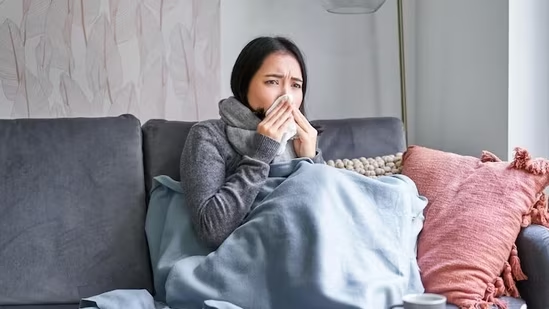
Indoor air pollution is an important public health issue because people spend most of their time indoors at home, school, or work. When harmful pollutants accumulate in enclosed spaces, they can have serious effects on respiratory health.
Indoor air pollution consists of harmful particles and gases such as dust, smoke, mold spores, pet dander, carbon monoxide, and volatile organic compounds released from cleaning products, paints, furniture, and building materials. Common sources include cooking with gas stoves, smoking indoors, burning candles or incense, poorly maintained heating systems, and damp environments that encourage mold growth. Poor ventilation allows these pollutants to build up and increases exposure.
When polluted indoor air is inhaled, it directly affects the lungs and airways. Short-term exposure can cause coughing, wheezing, chest tightness, throat and eye irritation, sneezing, and shortness of breath. People with asthma, allergies, or other respiratory conditions are especially sensitive and may experience more frequent or severe symptoms.
Long-term exposure to indoor air pollution can result in lasting damage to the respiratory system. Continuous inhalation of fine particles and toxic gases can reduce lung function and increase the risk of chronic respiratory diseases such as asthma, chronic bronchitis, and chronic obstructive pulmonary disease (COPD). Children are particularly vulnerable because their lungs are still developing, while older adults and individuals with weakened immune systems also face higher risks.