

Air quality plays a crucial role in determining the overall health and well being of a community. Clean air supports healthy lungs, hearts, and immune systems, while polluted air increases the risk of disease, disability, and premature death. As urbanization and industrial activities continue to grow, understanding the connection between air quality and community health has become more important than ever.
What Is Air Quality?
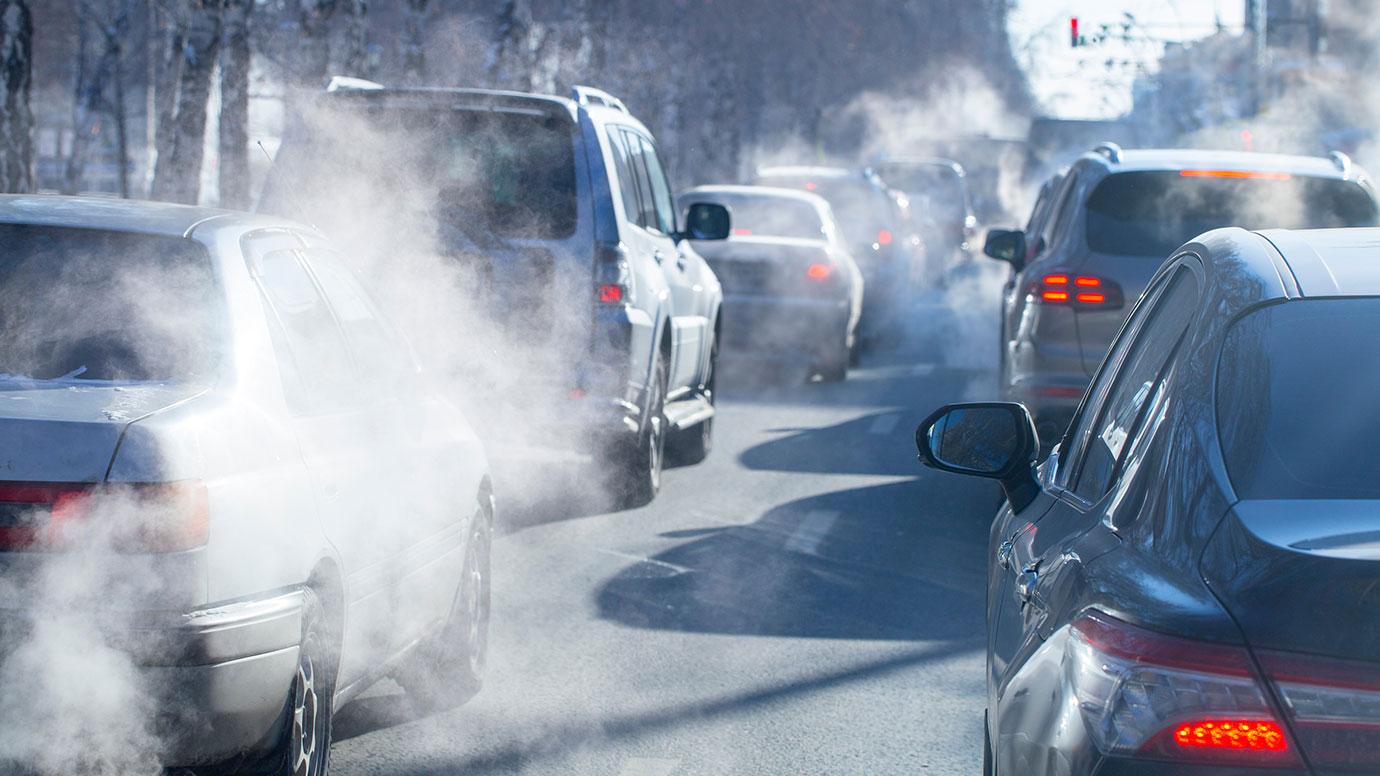
Air quality refers to how clean or polluted the air is. It is measured by the concentration of pollutants such as particulate matter (PM2.5 and PM10), carbon monoxide, nitrogen dioxide, sulfur dioxide, and ground-level ozone. These pollutants come from sources like vehicle emissions, factories, power plants, burning of waste, and even household activities such as cooking with solid fuels.
Health Impacts of Poor Air Quality
Poor air quality can affect nearly every organ in the body, especially the respiratory and cardiovascular systems.
-
Respiratory problems: Long-term exposure to polluted air can cause or worsen asthma, bronchitis, chronic obstructive pulmonary disease (COPD), and lung infections. Children and the elderly are particularly vulnerable.
-
Heart disease and stroke: Air pollution increases inflammation and can damage blood vessels, raising the risk of heart attacks and strokes.
-
Weakened immune system: Polluted air can reduce the body’s ability to fight infections, making communities more susceptible to illnesses.
-
Mental and developmental effects: Emerging research shows links between air pollution and mental health issues, reduced cognitive development in children, and complications during pregnancy.
Community Wide Effects
The impact of air pollution is not evenly distributed. Low-income communities and areas near industrial zones often experience higher pollution levels and fewer healthcare resources. This leads to health inequalities, increased medical costs, missed school and workdays, and reduced quality of life. Over time, these effects can slow economic development and strain local healthcare systems.
Benefits of Clean Air
Improving air quality has immediate and long-term benefits for communities. Cleaner air leads to fewer hospital visits, lower healthcare expenses, increased productivity, and longer life expectancy. It also creates healthier environments for children to grow, learn, and play.
What Communities Can Do
Communities can protect public health by:
-
Promoting the use of clean energy and public transportation
-
Reducing industrial emissions through regulations
-
Encouraging green spaces like trees and parks
-
Educating residents about pollution sources and prevention
Conclusion
Air quality is a key determinant of community health. Poor air quality contributes to serious health problems and deepens social and economic inequalities, while clean air supports healthier, more resilient communities. Protecting air quality is not just an environmental issue it is a public health priority that requires collective action from governments, industries, and individuals.