

Diabetes Risk in Men and How to Prevent It Early
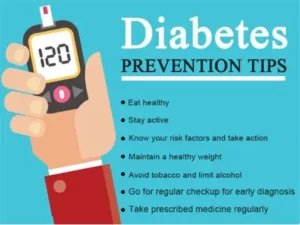
Diabetes is a growing global health concern, and men face unique risks that often go unnoticed until the disease is well established. Type 2 diabetes, the most common form, develops when the body becomes resistant to insulin or does not produce enough of it. Understanding why men are at risk—and how to prevent diabetes early—can make a powerful difference to long-term health and quality of life.
Men are more likely than women to develop type 2 diabetes at a lower body mass index (BMI). One key reason is fat distribution. Men tend to accumulate more visceral fat around the abdomen, which is closely linked to insulin resistance. This “belly fat” interferes with how insulin works, increasing blood sugar levels over time. Hormonal differences, particularly lower estrogen levels compared to women, may also reduce metabolic protection in men.
Lifestyle factors play a major role. Men are statistically more likely to smoke, consume excessive alcohol, and delay medical checkups—all behaviors associated with higher diabetes risk. Sedentary habits, high-calorie diets rich in refined carbohydrates, and chronic stress further compound the problem. Family history and age also matter: men over 45 or those with a close relative who has diabetes face increased risk.
The good news is that type 2 diabetes is largely preventable, especially when action is taken early. One of the most effective strategies is maintaining a healthy weight. Losing even 5–10% of body weight can significantly improve insulin sensitivity. Regular physical activity—at least 150 minutes of moderate exercise per week—helps muscles use glucose more efficiently and lowers blood sugar levels.
Diet is equally critical. Men should focus on whole, unprocessed foods such as vegetables, fruits, lean proteins, whole grains, and healthy fats. Reducing sugary drinks, refined carbs, and excessive portion sizes can dramatically cut diabetes risk. Limiting alcohol intake and quitting smoking also provide immediate metabolic benefits.
Early screening is often overlooked but essential. Routine blood sugar tests can detect prediabetes, a reversible condition where blood glucose levels are elevated but not yet in the diabetic range. Managing prediabetes through lifestyle changes can prevent or delay the onset of full diabetes by many years.
In short, while men may face higher and earlier risks for diabetes, they also have powerful tools for prevention. Awareness, healthier daily choices, and regular health checkups can stop diabetes before it starts—protecting not just longevity, but overall vitality.