

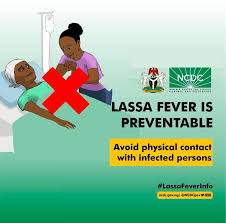
Lassa fever remains a serious public health concern in Nigeria and other parts of West Africa. While it can affect anyone, women especially pregnant women and caregivers, face unique risks that deserve special attention. Understanding how Lassa fever affects women can help families and communities respond early and prevent complications.
Why Women Are Particularly Vulnerable
In many homes, women are responsible for cooking, food storage, cleaning, and caregiving. These daily responsibilities can increase exposure to contaminated food items, surfaces, or infected family members.
Lassa fever is commonly transmitted through:
- Food contaminated by rat urine or droppings
- Handling household items exposed to rodents
- Close contact with infected persons
Because women often prepare food and care for sick relatives, they may unknowing contact the virus.
Lassa Fever in Pregnancy
Pregnant women are at significantly higher risk of severe complications from Lassa fever.
In pregnancy, the infection can lead to:
- Severe illness in the mother
- Miscarriage
- Preterm delivery
- High risk of maternal and fetal death
Early diagnosis and prompt treatment are critical. Any pregnant woman experiencing persistent fever, especially one that does not improve with malaria treatment should seek urgent medical care.
Routine antenatal visits are essential. Inform your healthcare provider immediately if you experience:
- Persistent fever
- Weakness and body pains
- Bleeding
- Facial swelling
- Difficulty breathing
Early treatment with antiviral medication improves survival chances.
Symptoms Women Should Not Ignore
Early symptoms of Lassa fever can resemble malaria or typhoid:
- Fever
- Headache
- Sore throat
- Vomiting or diarrhea
- General weakness
If symptoms persist despite usual treatment, further evaluation is necessary. Delaying care can allow the illness to become severe.
Prevention Starts at Home
Women play a powerful role in prevention.
Practical steps include:
- Storing food in tightly sealed containers
- Keeping kitchens and homes clean
- Proper waste disposal
- Avoiding drying food on the roadside or bare ground
- Blocking holes that allow rodents into the home
- Washing hands regularly
Caregivers should also use gloves and practice proper hygiene when attending to sick family members.
Protecting Ourselves, Protecting Families
Women are often the backbone of family health. By staying informed and recognizing symptoms early, women can protect not only themselves but also their children and communities. Lassa fever is preventable. Early detection saves lives. When women are educated, supported, and empowered to seek care promptly, maternal and family health outcomes improve significantly.