


Here are the top 5 health screenings every man should prioritize to stay ahead of serious health issues. Early detection can save lives.
- Blood Pressure Screening

- Why it matters: High blood pressure (hypertension) is often called the “silent killer” because it typically has no symptoms but can lead to heart disease, stroke, and kidney failure.
- When to start: Begin at age 18 and check at least every 2 years if normal; annually if elevated.
- What it checks: Measures the force of blood against artery walls.
- Risk factors: Obesity, smoking, high salt intake, family history.
- Cholesterol Test (Lipid Profile)

Why it matters: High cholesterol increases the risk of heart disease and stroke, two leading causes of death in men.
- When to start: Age 20, then every 4–6 years; more often if at risk.
- What it checks: Levels of LDL (bad cholesterol), HDL (good cholesterol), and triglycerides.
- Risk factors: Poor diet, lack of exercise, smoking, diabetes, family history
- Colorectal Cancer Screening

Why it matters: Colorectal cancer is the third most common cancer in men, but early detection dramatically improves survival rates.
- When to start: Age 45, or earlier with family history or symptoms.
- Screening options: Colonoscopy (every 10 years), stool tests (annually), or flexible sigmoidoscopy.
- Symptoms to watch: Blood in stool, changes in bowel habits, unexplained weight loss
- Diabetes Screening
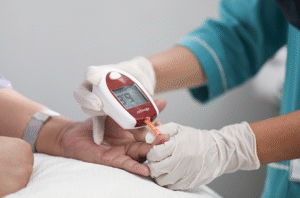
Why it matters: Type 2 diabetes can lead to heart disease, kidney damage, and vision loss if left untreated.
- When to start: Age 35, or earlier if overweight or have risk factors.
- What it checks: Fasting blood glucose or A1C levels.
- Risk factors: Obesity, sedentary lifestyle, high blood pressure, family history
- Skin Cancer Screening

Why it matters: Melanoma is one of the deadliest skin cancers, and men over 50 are at higher risk.
- When to start: No set age—do regular self-checks and see a dermatologist for suspicious moles.
- What to look for: New or changing moles, asymmetry, irregular borders, and color changes.
- Prevention tips: Use sunscreen, avoid tanning beds, wear protective clothing
Bonus: Mental Health Check
While not always part of routine physicals, mental health screenings are crucial. Depression, anxiety, and stress-related disorders are common but often overlooked in men. Don’t hesitate to talk to a healthcare provider if you’re struggling emotionally
Bottom line: Regular health screenings are essential for early detection and prevention. Don’t wait for symptoms—be proactive about your health. A simple test today could save your life tomorrow.