

Air pollution is a major environmental health concern, especially for children. As industrial activities and vehicle use increase, the air becomes filled with harmful substances such as particulate matter (PM2.5), nitrogen dioxide, sulfur dioxide, and ozone. These pollutants are particularly dangerous for children because their lungs are still developing and they breathe faster than adults.
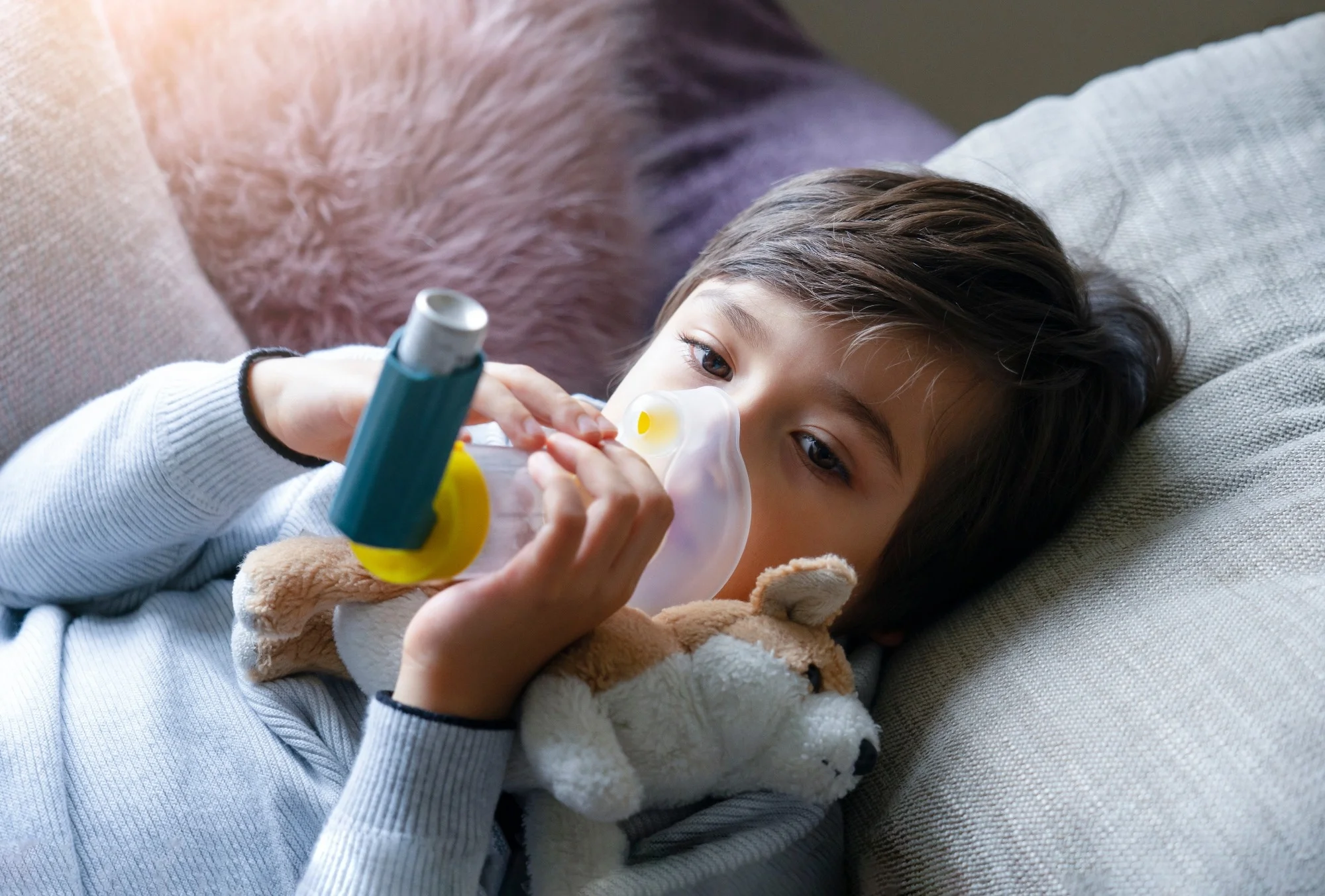
Asthma is a chronic condition that causes inflammation and narrowing of the airways, leading to symptoms like wheezing, coughing, and shortness of breath. It is one of the most common respiratory illnesses in children. While genetics can contribute to asthma, environmental factors especially air pollution play a significant role.
Exposure to polluted air can increase the risk of developing asthma and worsen symptoms in children who already have it. Pollutants irritate the airways, trigger asthma attacks, and may even slow lung development. During periods of high air pollution, hospital visits for asthma often rise.
Children living near busy roads or industrial areas are at greater risk due to higher exposure to harmful emissions. Reducing air pollution through stricter environmental regulations, cleaner energy sources, and increased public awareness is essential to protect children’s health.
In conclusion, air pollution is closely linked to childhood asthma. Improving air quality is not only an environmental responsibility but also a crucial step in safeguarding the well-being of future generations.