

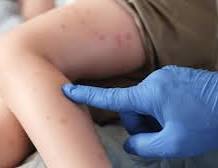
Children are particularly susceptible to skin infections due to their developing immune systems, sensitive skin, and close physical interaction in schools and daycare settings. These infections are commonly grouped into bacterial, fungal, and viral types. Early identification and proper management are essential to prevent complications and reduce the spread to other children.
Bacterial Skin Infections
One of the most common bacterial infections in children is impetigo, usually caused by Staphylococcus aureus or Streptococcus bacteria. It appears as red sores that burst and form honey-colored crusts, especially around the nose and mouth. Mild cases are treated with prescription topical antibiotics, while more severe infections may require oral antibiotics.
Folliculitis and cellulitis affect deeper layers of the skin or hair follicles, causing redness, swelling, warmth, and pain. These conditions often require oral antibiotics and close monitoring, especially if fever is present.
Fungal and Viral Infections
Ringworm (tinea) is a fungal infection that causes itchy, circular rashes with clear centers. It is usually treated with antifungal creams applied for several weeks.
Molluscum contagiosum, a viral infection, presents as small, smooth, pearl-like bumps. It is often self-limiting and may resolve without treatment, though persistent cases may require medical intervention.
Warts, caused by the human papillomavirus (HPV), commonly appear on the hands and feet and may resolve on their own or be treated with topical medications or cryotherapy.
Prevention and When to Seek Care
Good hygiene, regular bathing, short fingernails, and avoiding the sharing of personal items help prevent skin infections. Cuts and scrapes should be cleaned promptly and kept covered. Parents should seek medical care if a rash spreads rapidly, produces pus, is painful, or is accompanied by fever.
Early treatment and proper hygiene ensure quicker recovery and protect children from complications.