

Daily Habits That Improve Long-Term Health
Long-term health is not built through dramatic changes or short bursts of motivation. Instead, it grows quietly from small, consistent habits practiced every day. These simple actions compound over time, shaping physical health, mental resilience, and overall quality of life.
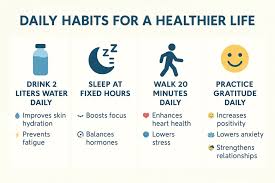
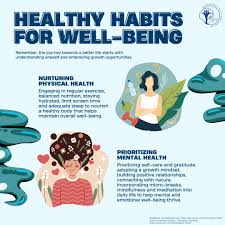
One of the most powerful daily habits is regular movement. You don’t need intense workouts to see benefits—walking, stretching, cycling, or light strength training can significantly improve cardiovascular health, muscle strength, and joint mobility. Daily movement also reduces the risk of chronic diseases such as diabetes, heart disease, and osteoporosis while improving mood and energy levels.
Balanced nutrition is another cornerstone of long-term health. Eating whole foods—vegetables, fruits, lean proteins, whole grains, and healthy fats—provides the nutrients your body needs to function optimally. Consistency matters more than perfection. Drinking enough water, limiting ultra-processed foods, and paying attention to portion sizes support digestion, metabolism, and immune health over time.
Quality sleep is often overlooked but is essential for long-term well-being. Adults should aim for 7–9 hours of sleep per night. Good sleep supports brain function, emotional regulation, hormone balance, and cellular repair. Creating a regular sleep schedule, reducing screen time before bed, and maintaining a calm sleep environment can dramatically improve sleep quality.
Another vital habit is stress management. Chronic stress contributes to inflammation, weakened immunity, and mental health challenges. Simple daily practices—such as deep breathing, meditation, journaling, or spending time in nature—help regulate the nervous system. Even a few minutes a day can lower stress hormones and improve emotional resilience.
Mental stimulation and learning also play a key role in long-term health. Reading, learning new skills, solving puzzles, or engaging in creative activities keep the brain active and may reduce the risk of cognitive decline. Lifelong learning supports memory, focus, and mental flexibility.
Strong social connections are equally important. Regularly connecting with friends, family, or community groups improves emotional health and longevity. Meaningful relationships provide support, reduce feelings of loneliness, and are strongly linked to lower rates of depression and chronic illness.
Finally, preventive care and self-awareness matter. Paying attention to your body, attending regular health checkups, and addressing small issues early can prevent serious problems later. Avoiding smoking, limiting alcohol, and practicing good hygiene further protect long-term health.
In summary, long-term health is built through daily choices. Small habits—when practiced consistently—create a strong foundation for a healthier, longer, and more fulfilling life.