

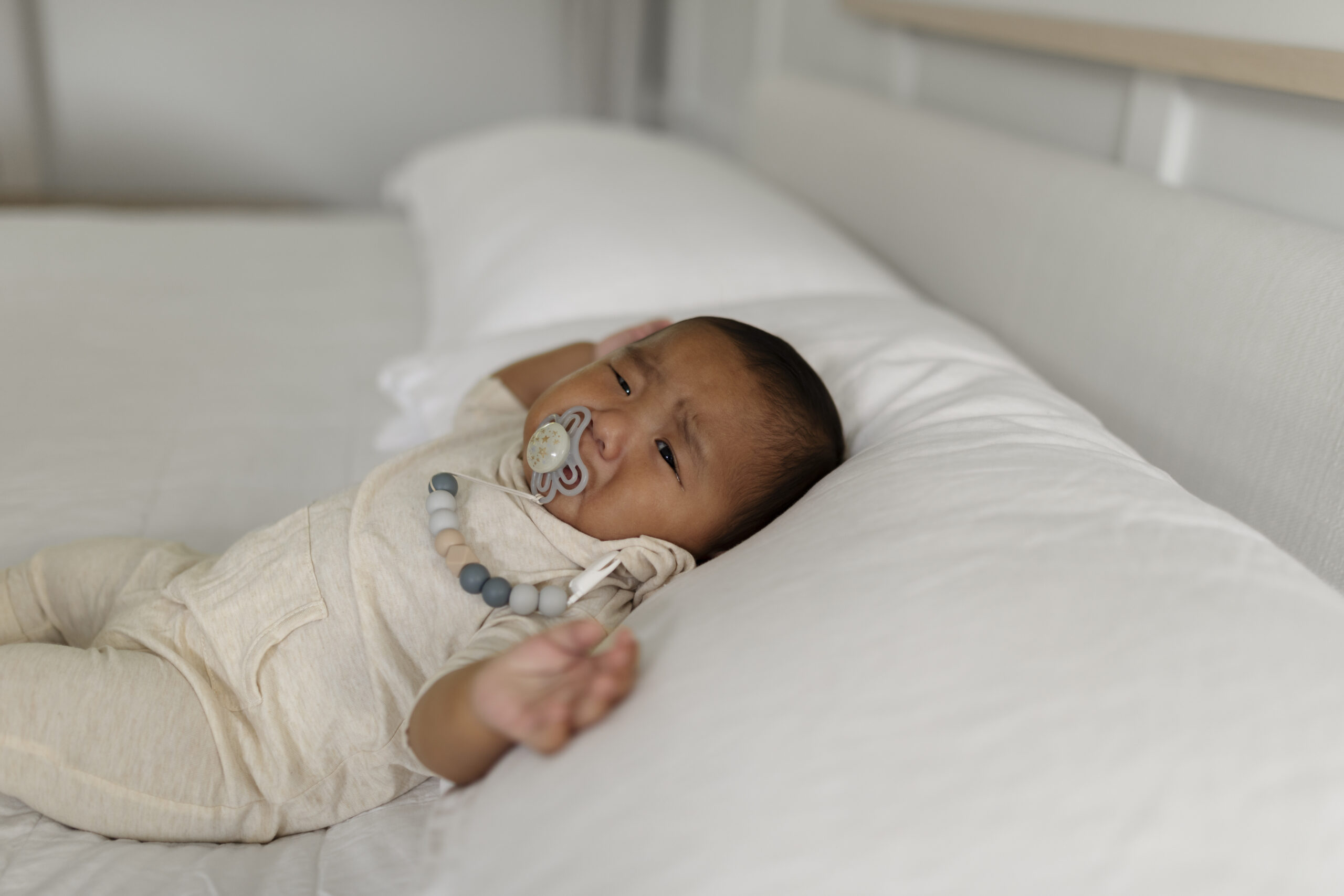
Dehydration occurs when a baby loses more fluids than they take in, making it difficult for the body to function properly. Babies, especially those under six months, are particularly vulnerable because their bodies contain a higher percentage of water and they cannot communicate thirst. Early recognition and prompt action are essential to prevent serious complications.
Common Causes
Dehydration in babies is often caused by diarrhea, vomiting, fever, excessive sweating, or poor feeding during illness. Hot weather and reduced intake of breast milk or formula can also increase the risk.
Signs of Dehydration
Parents and caregivers should watch closely for warning signs such as fewer wet diapers than usual (less than 6–8 in 24 hours), dark yellow urine, dry mouth or tongue, sunken eyes, and a sunken soft spot on the head. Babies may appear unusually sleepy, weak, irritable, or cry without tears. Fever, vomiting, rapid breathing, or cold hands and feet are signs of more severe dehydration and require urgent medical attention.
What to Do
At the first sign of dehydration, continue feeding frequently. Breastfed babies should be offered breast milk more often, as it provides both fluids and essential nutrients. Formula-fed babies should continue normal feeds, and a healthcare provider may recommend an oral rehydration solution (ORS) if dehydration worsens. For older babies who have started solid foods, small sips of water may be offered alongside breast milk or formula. Keep the baby cool and dress them lightly, especially in hot weather. Avoid sugary drinks or fruit juices.
When to Seek Help
Seek immediate medical care if the baby is very weak, refuses feeds, has not passed urine for several hours, or shows signs of severe dehydration.
Early action can prevent dehydration from becoming life-threatening and ensure a quick recovery.