
Female Genital Mutilation (FGM) remains one of the most pressing and preventable threats to women’s health globally. According to the World Health Organization, FGM involves the partial or total removal of external female genitalia or other injury to the female genital organs for non-medical reasons. It has no health benefits and can cause lifelong physical, emotional, and psychological harm.
FGM is often performed on girls between infancy and adolescence, and in some cases, on adult women. While it is deeply rooted in cultural, religious, or social traditions in certain communities, it is important to emphasize that FGM is not a medical requirement in any religion and is internationally recognized as a violation of human rights.
Types of FGM
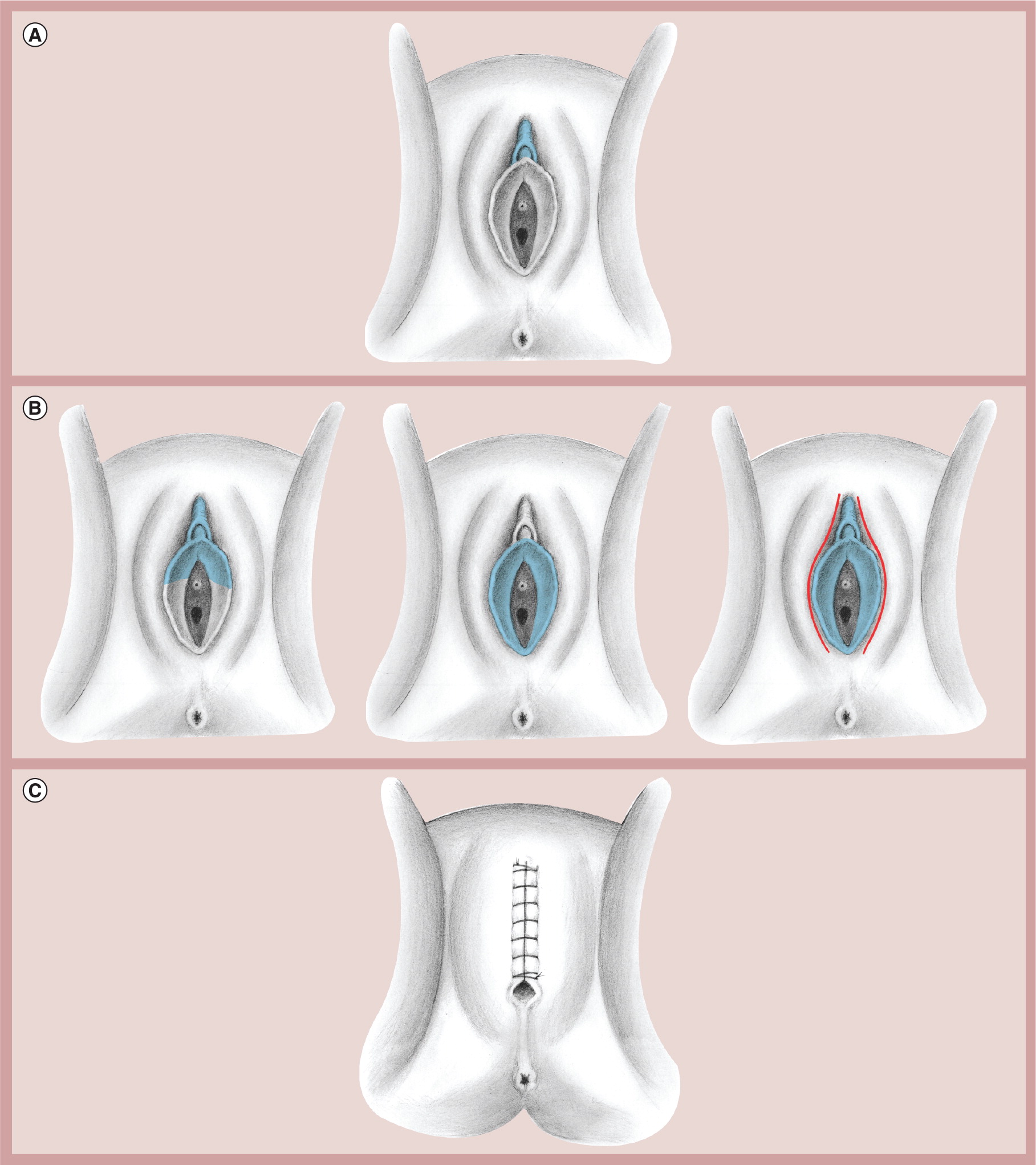
The World Health Organization classifies FGM into four main types:
1. Type I (Clitoridectomy): Partial or total removal of the clitoris.
2. Type II (Excision): Removal of the clitoris and labia minora, sometimes including the labia majora.
3. Type III (Infibulation): Narrowing of the vaginal opening through sealing.
4. Type IV: Other harmful procedures such as pricking, piercing, or cauterization.
Health Consequences
FGM can lead to serious immediate and long-term complications.
Short-term effects may include:
• Severe pain
• Excessive bleeding
• Infection
• Urinary problems
• Shock
Long-term complications often include:
• Chronic pelvic infections
• Painful menstruation
• Pain during sexual intercourse
• Infertility
• Complications during childbirth
• Increased risk of newborn deaths
Women who have undergone FGM are more likely to experience prolonged labor, perineal tears, and the need for cesarean sections. Beyond physical harm, many survivors struggle with anxiety, depression, and post-traumatic stress.
Impact on Reproductive and Sexual Health
FGM directly affects a woman’s sexual and reproductive health. Scar tissue and narrowing of the vaginal opening can make sexual activity painful and may reduce sexual satisfaction. During pregnancy and delivery, scarred tissue may not stretch easily, increasing the risk of obstetric complications.
For healthcare providers, especially those working in maternal and community health, it is crucial to recognize the signs of FGM and provide compassionate, non-judgmental care. Counseling and education play a major role in prevention and support.
Prevention and Community Education
Ending FGM requires community-based education, advocacy, and empowerment of women and girls. Engaging parents, religious leaders, healthcare professionals, and policymakers is essential in challenging harmful norms and promoting safer alternatives that preserve dignity without causing harm.
Education is key. When communities understand that FGM has no medical benefits and poses serious health risks, attitudes begin to shift. Supporting girls’ education and women’s rights also reduces the prevalence of the practice.
A Call to Action
FGM is preventable. As healthcare professionals, community leaders, and advocates for women’s wellness, we must continue to raise awareness, support survivors, and promote policies that protect girls and women. Protecting women’s health means protecting their bodies, their rights, and their future. Ending FGM is not just a cultural issue, it is a public health priority.