

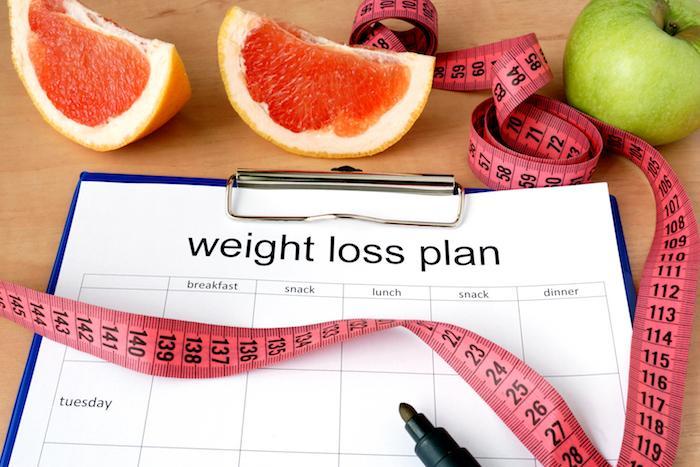
For many people, the journey to better health begins with one goal: to lose weight.
The scale becomes the judge, the mirror becomes the scoreboard, and every meal feels like a test. But here is the truth many of us learn later than we should: lasting transformation does not come from chasing numbers. It comes from pursuing wellness.
When the focus is only on weight loss, the journey becomes stressful, restrictive, and often short-lived. You may lose weight fast, but the habits that caused weight gain in the first place remain untouched. That is why so many people see results for a few weeks, only to regain them all once old habits return.
Wellness, on the other hand, takes you deeper. It shifts your attention from “How much did I lose this week?” to “How do I feel? What choices support my body today?” It is a mindset that encourages sustainability. Wellness is not a destination. It is a lifestyle grounded in nourishing foods, better sleep, stress balance, joyful movement, and self-awareness. When you think about wellness, you begin to eat because your body needs fuel, not because you fear calories. You start choosing meals that support energy, hormones, gut health, and mental well-being. You stop starving and begin nourishing yourself. And ironically, the more you care for your body, the easier weight management becomes.
Shifting the focus from weight loss to wellness also helps break the emotional war that many people have with food. When the scale drives your emotions, one “bad day” can feel like failure. But when wellness is the goal, setbacks become part of the learning process. You begin to ask gentler questions like: Why do I feel low energy? Why did I overeat? What can I adjust tomorrow? This approach builds self-trust, not self-punishment.
Movement also takes on a new meaning.
Instead of exercising out of guilt, you move because it strengthens your heart, clears your mind, and boosts your mood. A walk becomes powerful. Stretching becomes healing. Dancing becomes a joyful therapy. The shift allows your body to benefit from activity without the pressure of burning calories. Most importantly, wellness encourages habits that last.
Habits like hydrating more, sleeping better, eating whole foods, limiting sugar, and managing stress may not show up on the scale immediately, but they shape your long-term health. Over time, these habits create balanced hormones, improved metabolism, better digestion, and a healthier relationship with your body. The weight then adjusts naturally as a result, not the main goal.
So today, give yourself permission to stop obsessing over the scale. Instead, focus on the habits that nourish you. Celebrate progress in your energy, strength, mental clarity, and daily choices. When you pursue wellness, weight loss becomes just one of many benefits, not the only measure of success.
The real win is creating a healthier, happier version of yourself that lasts.