

Healthy Ways for Men to Manage Stress
Stress is a normal part of life, but when it becomes chronic, it can negatively affect both physical and mental health. Men often experience stress related to work, finances, relationships, and societal expectations, yet many are less likely to talk openly about it. Learning healthy ways to manage stress is essential for long-term well-being and resilience.
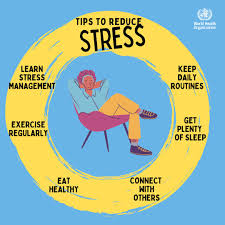
One of the most effective ways for men to manage stress is through regular physical activity. Exercise helps release endorphins, the body’s natural “feel-good” chemicals, which improve mood and reduce tension. Activities such as weight training, running, swimming, or even daily walks can significantly lower stress levels. Exercise also improves sleep quality, which is closely linked to stress management.
Another powerful tool is developing emotional awareness and expression. Many men are conditioned to suppress emotions, which can increase internal stress. Talking openly with a trusted friend, family member, or therapist can provide relief and perspective. Writing in a journal is another private yet effective way to process thoughts and emotions without judgment.
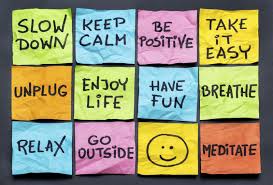
Mindfulness and relaxation techniques are also valuable. Practices like deep breathing, meditation, or progressive muscle relaxation help calm the nervous system and reduce anxiety. Even spending 10 minutes a day focusing on slow, controlled breathing can lower heart rate and reduce stress hormones. Mindfulness encourages men to stay present instead of worrying about the past or future.
Maintaining a healthy lifestyle plays a major role in stress management. Balanced nutrition, adequate hydration, and limiting alcohol and caffeine can stabilize mood and energy levels. Poor dietary habits and substance overuse may offer temporary relief but often worsen stress over time.
Strong social connections are another protective factor. Spending quality time with friends, partners, or family provides emotional support and a sense of belonging. Men benefit from meaningful conversations and shared activities, whether it’s playing sports, working on hobbies, or simply talking.
Finally, setting boundaries and realistic goals helps reduce overwhelm. Learning to say no, prioritizing tasks, and taking breaks prevents burnout. Stress is not a sign of weakness—it is a signal that change or support may be needed.
By combining physical activity, emotional expression, mindfulness, healthy habits, and strong relationships, men can manage stress in effective and sustainable ways. Taking proactive steps today can lead to better health, clearer thinking, and a more balanced life.