
Endometriosis is a common yet often misunderstood women’s health condition that affects millions of women and girls worldwide. Despite how common it is, many women suffer in silence for years before getting a diagnosis. Understanding endometriosis is the first step toward early care, relief, and better quality of life.
What is Endometriosis?
Endometriosis occurs when tissue similar to the lining of the uterus (endometrium) grows outside the womb. These tissues can be found on the ovaries, fallopian tubes, pelvic lining, and sometimes other organs. Unlike menstrual blood that flows out of the body, this tissue has no way to exit, leading to inflammation, pain, and scarring.
Who Can Be Affected?
Endometriosis mainly affects women of reproductive age, usually between the ages of 15 and 49. It can occur in teenagers and may continue into adulthood. Family history, early onset of menstruation, heavy periods, and shorter menstrual cycles may increase risk.
Common Symptoms
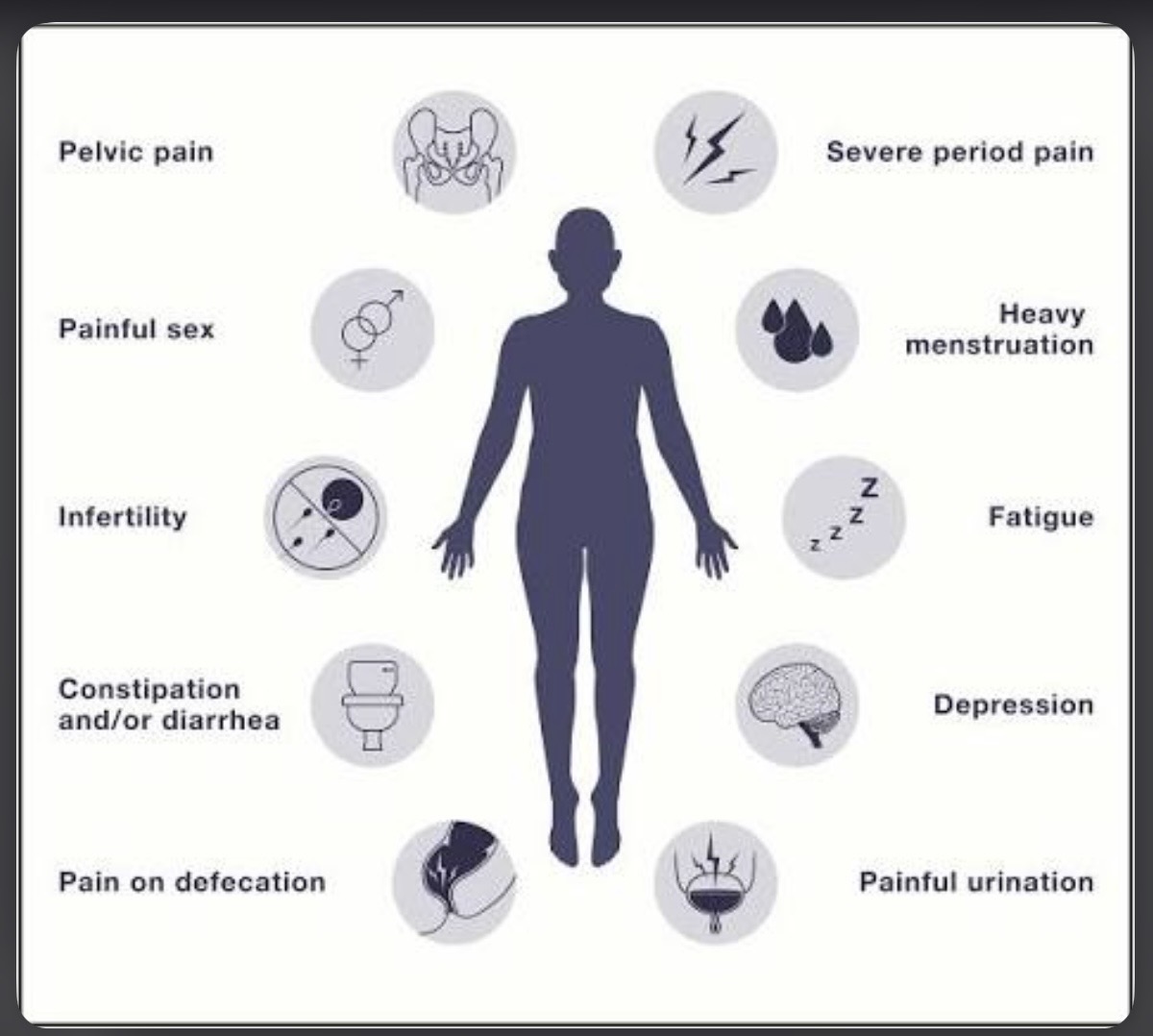
Symptoms vary from woman to woman. Some experience severe symptoms, while others may have none at all. Common signs include:
• Painful menstrual periods that interfere with daily activities
• Chronic pelvic pain (pain in the lower abdomen or waist)
• Pain during or after sexual intercourse
• Heavy or prolonged menstrual bleeding
• Pain during urination or bowel movements, especially during menstruation
• Difficulty getting pregnant
• Fatigue, bloating, nausea, or back pain during periods
Pain that is severe, persistent, or worsening should never be ignored or dismissed as “normal.”
How Is Endometriosis Diagnosed?
Endometriosis can be difficult to diagnose because its symptoms are similar to other conditions like fibroids or pelvic infections. Diagnosis often involves:
• A detailed medical and menstrual history
• Pelvic examination
• Ultrasound or other imaging tests
• In some cases, laparoscopy (a minor surgical procedure)
On average, many women wait several years before receiving a proper diagnosis.
Treatment Options
There is currently no cure for endometriosis, but symptoms can be managed effectively. Treatment depends on symptom severity, age, and fertility goals. Options include:
• Pain relief medications
• Hormonal treatments to reduce or stop menstruation
• Lifestyle changes such as regular exercise and stress management
• Surgery in severe cases to remove endometrial tissue
Early treatment can help prevent complications and improve daily functioning.
Living With Endometriosis
Endometriosis does not just affect the body, it can impact mental health, relationships, work, and overall wellbeing. Support from healthcare providers, family, and community is essential. Women are encouraged to speak openly about their symptoms and seek care early.
Healthy habits such as balanced nutrition, adequate rest, physical activity, and emotional support can help improve quality of life.
When to See a Healthcare Provider
You should seek medical care if you experience:
• Severe menstrual pain that limits daily activities
• Ongoing pelvic pain
• Difficulty conceiving
• Symptoms that worsen over time
Painful periods are not something women should “endure.” Help is available.
Conclusion
Endometriosis is a real and manageable health condition. Awareness, early diagnosis, and proper care can significantly reduce suffering and empower women to live healthier, fuller lives. Every woman deserves to be heard, believed, and supported when it comes to her health.