

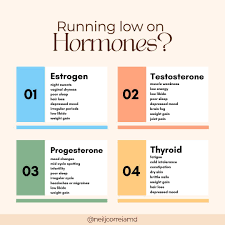
Hormones play a powerful role in how a woman feels, thinks, and functions every day. These chemical messengers regulate mood, energy, appetite, metabolism, and even sleep patterns. When they fluctuate as they naturally do during the menstrual cycle, stress, pregnancy, breastfeeding, and menopause, they can create noticeable changes in the body and mind. Understanding these shifts helps women recognize what’s normal and when to seek help.
- Hormones and Mood
Two major hormones that influence mood are estrogen and progesterone.
- Estrogen supports the production of serotonin and dopamine, which are the “feel-good” chemicals that improve mood, motivation, and emotional stability. When estrogen drops especially before menstruation, after childbirth, or during menopause women may feel irritable, anxious, tearful, or experience mood swings.
- Progesterone has a calming effect because it increases GABA, a chemical that helps the brain relax. However, if progesterone drops or becomes imbalanced with estrogen, women may experience restlessness, tension, or difficulty coping with stress.
These hormonal shifts explain why some women experience PMS, PMDD, or emotional changes during perimenopause.
- Hormones and Weight
Hormones also guide how the body stores and use energy.
- Estrogen helps regulate metabolism. When estrogen levels fall, especially during menopause, the body becomes more likely to store fat around the abdomen.
- Progesterone, when low, may contribute to bloating or water retention.
- Cortisol, the stress hormone, rises during stress or lack of sleep. High cortisol levels encourage the body to store fat, especially around the belly, and may trigger cravings for sweet or salty foods.
Appetite hormones, such as leptin (fullness hormone) and ghrelin (hunger hormone), also respond to hormonal changes. Poor sleep, stress, and menstrual cycle fluctuations can reduce leptin and increase ghrelin leading to increased hunger and overeating. Due to these interactions, women may notice temporary weight changes during their cycle, after childbirth, or in midlife.
- Hormones and Sleep
Sleep is tightly connected to hormonal balance.
- Progesterone supports restful sleep because of its calming effect. When it drops, especially before menstruation or during perimenopause, women may struggle with falling or staying asleep.
- Estrogen helps regulate body temperature. Low levels can cause night sweats, hot flashes, and disrupted sleep.
- Melatonin, the sleep hormone, can also be affected by stress, screen time, irregular sleep schedules, and hormonal changes.
Poor sleep can then worsen other hormone levels, raising cortisol, lowering leptin, and reducing insulin sensitivity. This can trigger mood changes, weight gain, and fatigue, creating a cycle many women experiences.
- Supporting Hormonal Balance
While hormonal changes are normal, women can support their mood, weight, and sleep through everyday lifestyle habits:
- Eat balanced meals rich in fruits, vegetables, whole grains, and lean proteins
- Stay active with regular physical activity
- Prioritize 7–9 hours of sleep
- Manage stress with breathing exercises, walking, journaling, or relaxation techniques
- Stay hydrated and limit excessive sugar or caffeine
- Seek medical advice if mood changes, weight fluctuations, or sleep problems become severe or persistent
Conclusion
Hormones influence nearly every aspect of a woman’s daily life from emotional stability to body weight to quality of sleep. By understanding these natural patterns and adopting healthy habits, women can better manage changes throughout their cycle and life stages. When symptoms begin to affect daily activities, consulting a healthcare provider can help identify imbalances and guide appropriate treatment.