

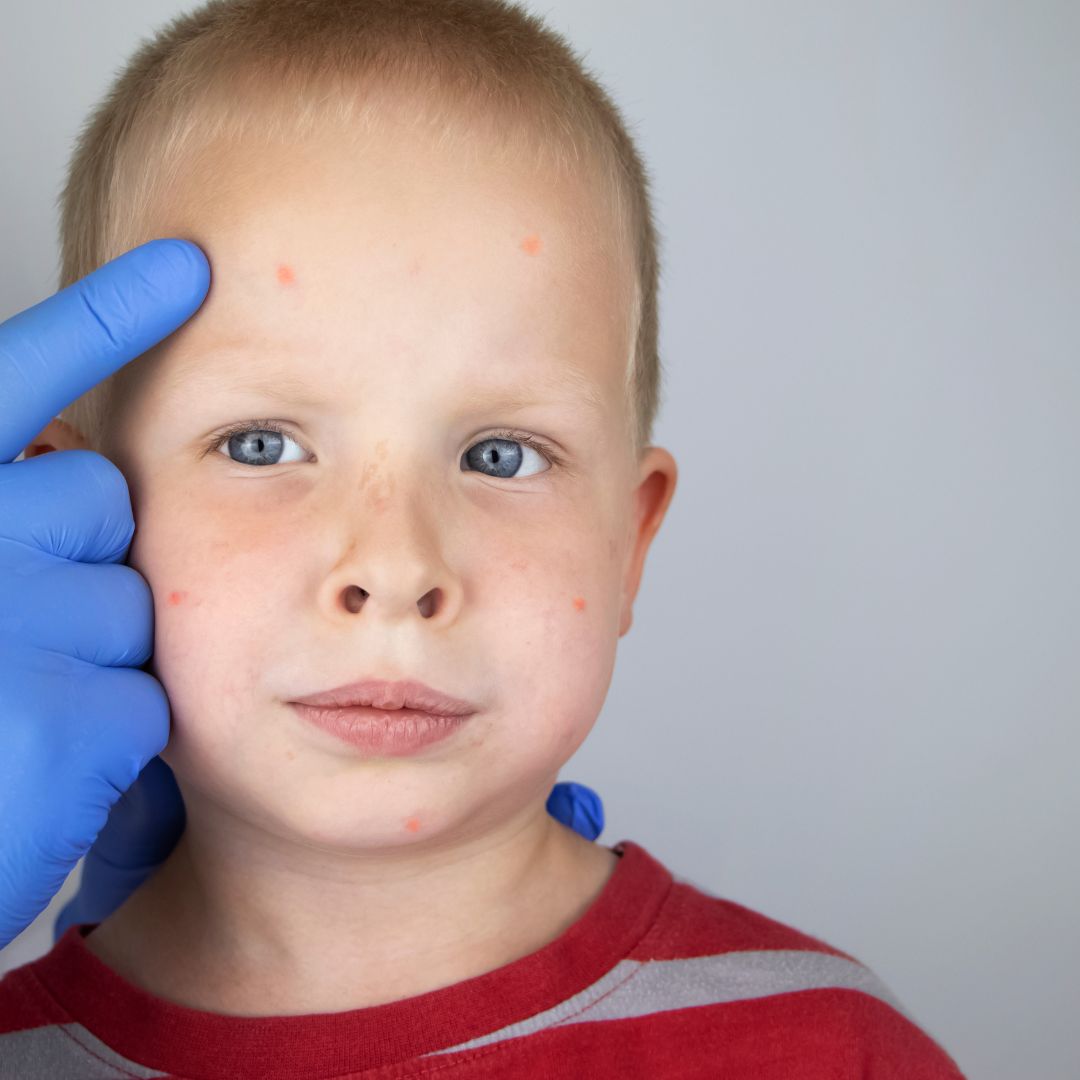
How to Prevent Skin Infections in Children
Skin infections are common in children because their immune systems are still developing, and they are often exposed to germs through play, school, and contact with other kids. These infections may be caused by bacteria, fungi, or viruses, and preventing them starts with good hygiene, proper care, and early attention to skin changes. Here are practical ways parents and caregivers can help keep children’s skin healthy and infection-free.
1. Encourage Good Hygiene Habits
Teaching children proper hygiene is the foundation of prevention.
Regular handwashing with soap and water helps reduce germs that cause infections like impetigo.
Make sure children bathe daily, especially after playing outside or sweating.
Teach them to avoid scratching their skin, as broken skin creates an easy entry point for germs.
2. Keep Skin Clean and Dry
Bacteria and fungi thrive in warm, sweaty areas.
After bathing or swimming, ensure the child is dried thoroughly, especially in skin folds (armpits, groin, between toes).
Change sweaty clothes immediately to prevent fungal infections like ringworm.
Use clean towels and avoid sharing them to reduce the spread of germs.
3. Treat Minor Cuts and Scratches Early
Children often get scrapes while playing. Prompt care prevents infections.
Wash minor wounds with clean water and mild soap.
Apply an antiseptic and cover with a clean bandage.
Watch for signs of infection such as redness, swelling, warmth, or pus.
4. Avoid Sharing Personal Items
Items like combs, towels, hats, clippers, and clothing can spread skin infections.
Teach children not to share personal items at school or playgrounds.
Wash clothes, bedding, and towels regularly.
5. Manage Skin Conditions Properly
Some skin conditions, like eczema, increase infection risk.
Keep the skin moisturised to prevent cracks.
Follow medical advice to manage flare-ups.
Avoid irritating soaps or harsh chemicals.
6. Maintain Healthy Nails
Long nails trap dirt and germs.
Keep children’s nails short and clean.
Discourage nail-biting and scratching.
7. Prevent Spread in Schools and Daycare
If a child has a contagious skin infection like ringworm or impetigo:
Keep them home until treated.
Wash their clothes and bedding separately.
Follow treatment instructions strictly.
Final Note
Prevention is always better than cure. With simple daily habits, good hygiene, and early treatment of skin issues, children can avoid many common skin infections and stay healthy and active.