

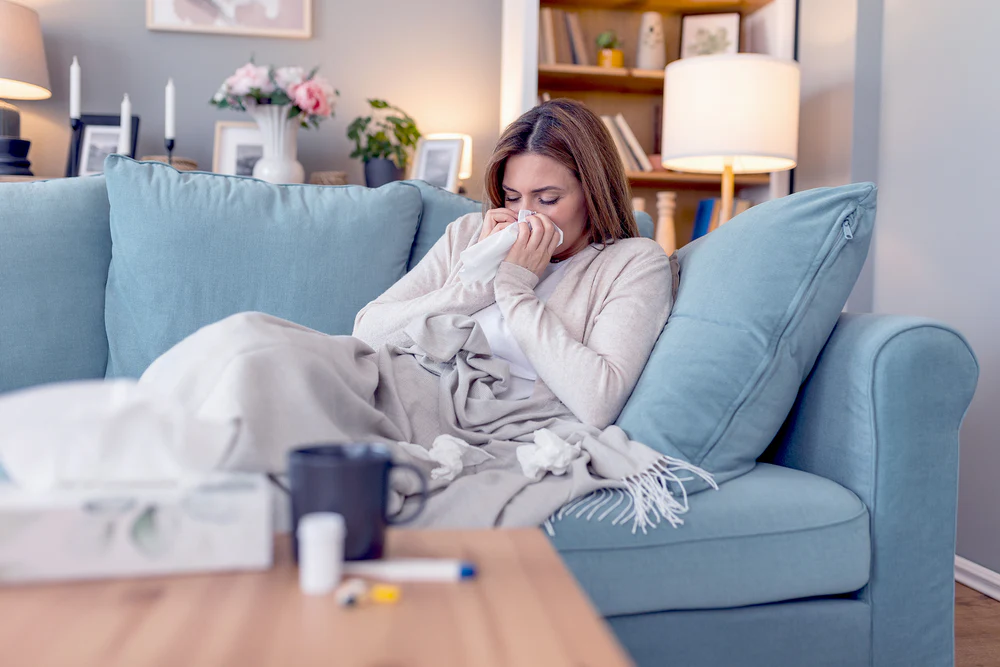
When we think of air pollution, we often picture traffic fumes or industrial smoke filling the sky, yet the air inside our homes, offices, and schools can be two to five times more polluted than the air outdoors, according to the World Health Organization. Since most of us spend nearly 90% of our time indoors, this hidden pollution poses a serious risk to our respiratory health.
What Causes Indoor Air Pollution?
Indoor air pollution comes from a surprising variety of everyday sources. Common culprits include:
- Cooking and heating with gas stoves, fireplaces, or kerosene heaters, which release carbon monoxide and nitrogen dioxide.
- Household cleaning products, air fresheners, and paints that emit volatile organic compounds (VOCs).
- Mold and dust mites, which thrive in damp or poorly ventilated areas and trigger allergies or asthma.
- Tobacco smoke and secondhand smoke, which contain thousands of harmful chemicals.
- Building materials and furnishings, such as carpets, particleboard, and insulation, which can slowly release formaldehyde and other toxins.
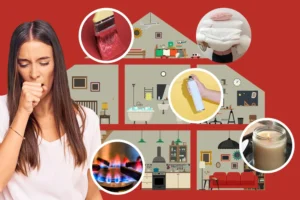
Even seemingly harmless items like scented candles or incense can contribute to poor indoor air quality when burned in unventilated spaces.
How Polluted Air Affects Your Lungs
When we breathe in polluted air, tiny particles and gases can enter the respiratory tract and irritate delicate lung tissues. Short-term exposure may cause symptoms like coughing, sore throat, headaches, or eye irritation. For people with asthma, allergies, or chronic obstructive pulmonary disease (COPD), these effects can be much more severe.
Long-term exposure is even more concerning. Studies have linked indoor air pollution to reduced lung function, chronic bronchitis, asthma development in children, and even increased risk of lung cancer. Children and older adults are especially vulnerable because their lungs are either still developing or already weakened.
Steps to Improve Indoor Air Quality
The good news is that improving indoor air doesn’t have to be complicated. Here are a few simple ways to protect your lungs and overall health:
- Ventilate regularly: Open windows when cooking or cleaning, and use exhaust fans in bathrooms and kitchens.
- Avoid smoking indoors: Even occasional smoking can leave harmful residues on walls and furniture.
- Choose natural cleaning products: Look for low-VOC or fragrance-free labels.
- Control humidity: Keep indoor humidity between 30-50% to prevent mold growth.
- Add houseplants: Some indoor plants can help absorb certain pollutants and freshen the air.
- Clean air filters: Replace filters in air conditioners, heaters, and purifiers regularly.
Breathing Healthier Every Day
Clean air is fundamental to good health, and much of that responsibility starts at home. By being mindful of what you bring into your living space and how you maintain it, you can dramatically reduce your exposure to harmful pollutants. Small changes like improving ventilation or switching to greener products can make a lasting difference for your lungs and your overall well-being.