

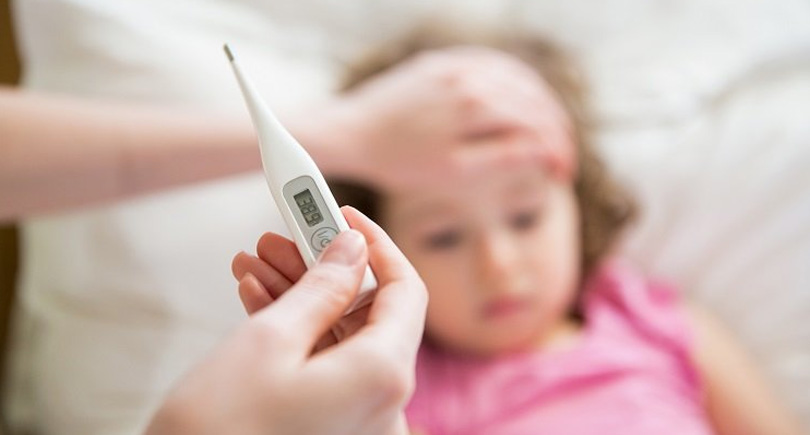
Fever is one of the most common reasons parents worry about their children’s health. It is usually a sign that the body is fighting an infection, such as a cold, flu, or other illness. A fever itself is not harmful, but proper care helps keep the child comfortable and prevents complications.
When a child has a fever ,the first step is to check the temperature using a digital thermometer. A temperature above 37.5°C (99.5°F) is considered a fever. Dress the child in light clothing and keep the room comfortably cool. Avoid heavy blankets or wrapping the child too tightly, as this can raise body temperature further. Encourage your child to drink plenty of fluids such as water, breast milk, or oral rehydration solution to prevent dehydration.
For mild fever, rest and fluids may be all that’s needed. If the child is uncomfortable, you can give paracetamol (acetaminophen) in the correct dose based on age and weight. Ibuprofen can also be used for children older than six months. Never give aspirin to children, as it can cause serious side effects.
Give the child light meals and ensure enough rest. Tepid sponge(soak a cloth or small towel in lukewarm water squeeze it out and gently wipe the face, neck and body with it) will help reduce temperature but avoid using cold water or alcohol rubs.
Seek medical attention immediately if the fever lasts more than three days, if your child is less than three months old, has difficulty breathing, persistent vomiting, seizures, rash, stiff neck, or is unusually drowsy or irritable.
With calm observation, comfort measures, and timely medical care, most fevers can be managed safely at home while helping your child recover faster and stay healthy.