
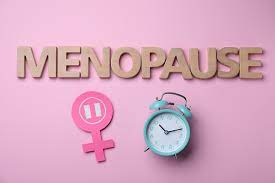
Menopause is a natural phase in every woman’s life, marking the end of her menstrual cycles and reproductive years. It usually occurs between the ages of 45 and 55, though it can happen earlier or later for some women. Understanding what happens during this stage can help women manage it with confidence and grace.
What Is Menopause?
Menopause is diagnosed when a woman hasn’t had a menstrual period for 12 consecutive months. It happens because the ovaries gradually produce less estrogen and progesterone; hormones that regulate menstruation and fertility. This hormonal shift brings about various physical and emotional changes.
Common Symptoms
Every woman’s experience with menopause is unique, but some common symptoms include:
- Hot flashes and night sweats
- Irregular or stopped periods
- Mood swings and irritability
- Sleep disturbances
- Vaginal dryness and discomfort during intercourse
- Decreased libido
- Weight gain and slowed metabolism
These changes can be uncomfortable, but they are normal and manageable with proper care.
Managing Menopause Naturally
Healthy lifestyle habits can make a big difference during menopause:
- Eat balanced meals: Include foods rich in calcium, vitamin D, whole grains, and lean proteins to strengthen bones and improve overall health.
- Stay active: Regular exercise helps maintain weight, reduce stress, and boost mood.
- Stay hydrated: Drink plenty of water to reduce bloating and dryness.
- Get enough rest: Good sleep improves energy levels and emotional balance.
- Avoid triggers: Limit caffeine, alcohol, and spicy foods, as they can worsen hot flashes.
Emotional and Mental Health
Hormonal changes can affect mood and mental well-being. It’s important to talk openly about how you feel, whether with loved ones, a healthcare provider, or a counselor. Support groups can also provide comfort and encouragement.
When to see a doctor
If menopausal symptoms disrupt your daily life, a doctor can help with treatments such as hormone replacement therapy (HRT) or non-hormonal options. Regular health checks are also vital, as the risk of osteoporosis, heart disease, and other conditions increases after menopause.
Final Thought
Menopause is not an illness but a natural transition that marks a new chapter of life. With the right knowledge, lifestyle choices, and support, women can embrace this stage with strength and confidence.