

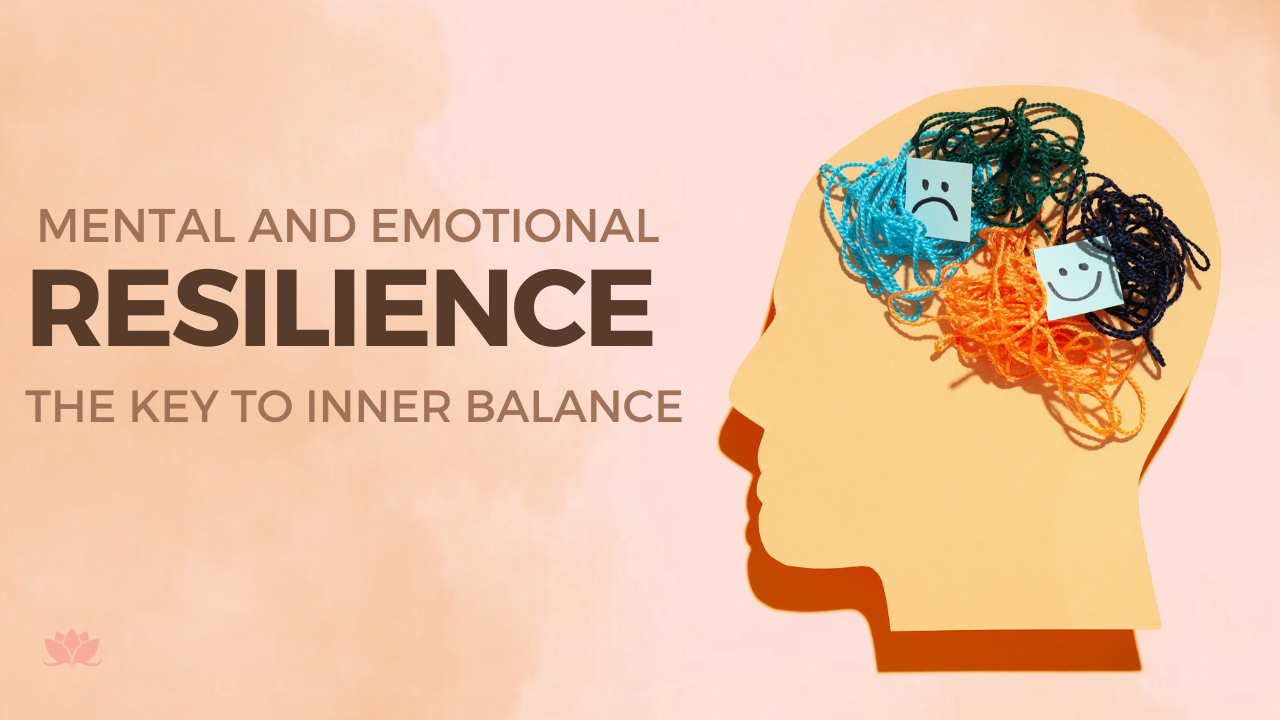
Emotional resilience is the ability to adapt, recover, and grow stronger in the face of stress, change, and life’s challenges. For many women, resilience is tested daily; balancing family, career, personal goals, relationships, health, and societal expectations. The good news is that emotional resilience is not a fixed trait; it is a skill that can be learned and strengthened over time.
Here are practical, healthy ways women can build emotional resilience and maintain overall wellbeing.
1. Practice Self-Awareness
Resilience starts with understanding your emotions rather than ignoring them. Pay attention to how you feel in different situations and identify emotional triggers. Journaling, quiet reflection, or mindful breathing can help you recognize patterns in your thoughts and reactions. When you understand your emotions, you’re better equipped to manage them.
2. Build a Strong Support System
No one thrives alone. Healthy relationships provide encouragement, perspective, and comfort during difficult times. Connect with friends, family members, mentors, or community groups who uplift you. Don’t be afraid to ask for help, seeking support is a sign of strength, not weakness.
3. Set Healthy Boundaries
Many women feel pressured to say “yes” to everything, often at the expense of their own wellbeing. Learning to set boundaries protects your emotional energy. Be clear about what you can and cannot handle, and give yourself permission to rest without guilt.
4. Develop Healthy Coping Skills
Stress is unavoidable, but how you respond to it matters. Replace unhealthy coping habits with positive ones such as exercise, deep breathing, prayer or meditation, listening to music, or engaging in a hobby you enjoy. These activities calm the mind and help restore emotional balance.
5. Practice Self-Compassion
Be kind to yourself, especially during setbacks. Avoid harsh self-criticism and unrealistic expectations. Treat yourself with the same understanding and patience you would offer a close friend. Self-compassion builds confidence and emotional strength over time.
6. Embrace Change and Growth
Life is constantly evolving, and resilience grows when we learn to adapt. Instead of resisting change, view challenges as opportunities for growth and learning. Each experience whether positive or difficult, can strengthen your emotional capacity when approached with an open mind.
7. Take Care of Your Physical Health
Emotional and physical health are closely connected. Prioritize adequate sleep, balanced nutrition, regular physical activity, and hydration. When your body is well cared for, your mind becomes better equipped to handle emotional stress.
8. Seek Professional Support When Needed
Sometimes, emotional challenges feel overwhelming. Speaking with a counselor, therapist, or mental health professional can provide tools and guidance for managing emotions effectively. Seeking professional help is a proactive step toward resilience and long-term wellbeing.
Final Thoughts
Building emotional resilience is a lifelong journey, not a destination. By nurturing self-awareness, seeking support, setting boundaries, and practicing healthy coping strategies, women can face life’s challenges with greater confidence and strength. Resilience empowers women not just to survive, but to thrive emotionally, mentally, and physically.