

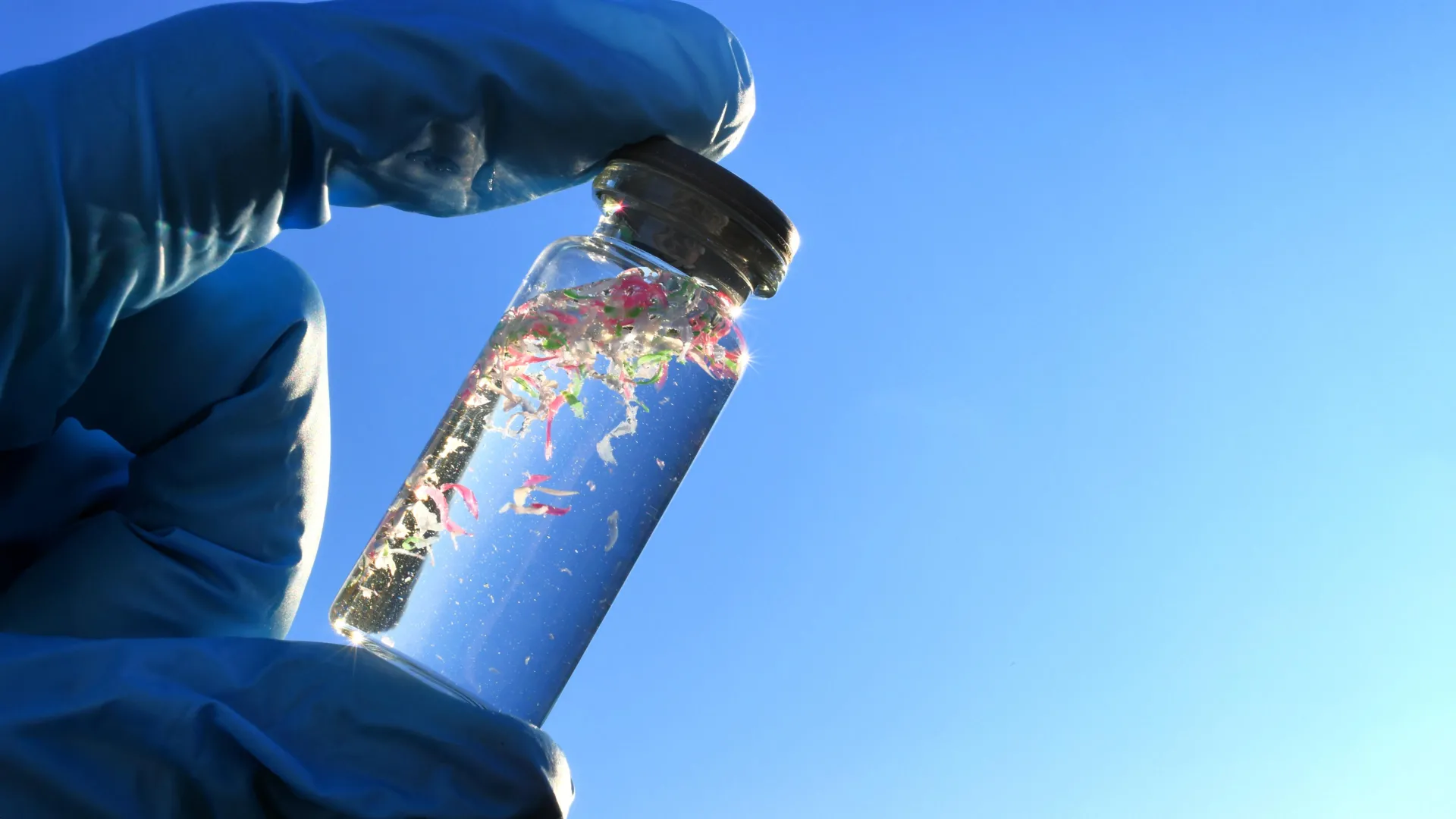
Microplastics are tiny plastic particles generally smaller than 5 millimeters that have quietly made their way into rivers, lakes, groundwater, and yes, our drinking water. You can’t see them, taste them, or smell them, but they’re increasingly hard to avoid.
Where do they come from?
Microplastics enter water in two main ways:
-
Primary microplastics: Intentionally made small, like microbeads (now banned in many countries) or industrial plastic pellets.
-
Secondary microplastics: Formed when larger plastic items like bottles, bags, synthetic clothing break down over time due to sunlight, friction, and heat.
They travel through wastewater systems, runoff from land, and even the air before settling into water sources.
Studies around the world have found microplastics in:
-
Tap water
-
Bottled water
-
Groundwater and mountain springs
Ironically, bottled water often contains more microplastics than tap water, largely from the plastic packaging itself.
Why is this a concern?
The science is still evolving, but there are several red flags:
-
Physical presence: Microplastics can pass through the digestive system, and the smallest ones (nanoplastics) may cross into tissues.
-
Chemical hitchhikers: Plastics can carry toxic additives (like BPA or phthalates) and attract pollutants and heavy metals.
-
Biological effects: Lab studies suggest links to inflammation, oxidative stress, and potential hormone disruption—but long-term human health impacts are still being studied.
In short: we don’t yet know the full consequences, which is exactly why scientists are concerned.
Can water treatment remove them?
Traditional water treatment removes some microplastics, especially larger ones, but it’s not designed specifically for them. Advanced filtration (like membrane filtration or reverse osmosis) is more effective, but not universally used due to cost and energy demands.
While systemic solutions matter most, a few personal steps can reduce exposure:
-
Prefer tap water over bottled (and use a reusable bottle)
-
Use a high-quality water filter (reverse osmosis or nanofiltration if possible)
-
Reduce overall plastic use, especially single-use plastics
-
Support policies and innovations aimed at plastic reduction and better water treatment
Microplastics in drinking water aren’t just a personal health issue, they’re a symptom of a global plastic overuse problem. Once plastic enters the environment, it doesn’t really go away; it just gets smaller and harder to track.
The good news? Awareness is growing fast, research is accelerating, and solutions from better materials to smarter filtration are actively being developed. The invisible threat is becoming visible, and that’s the first step toward fixing it.