

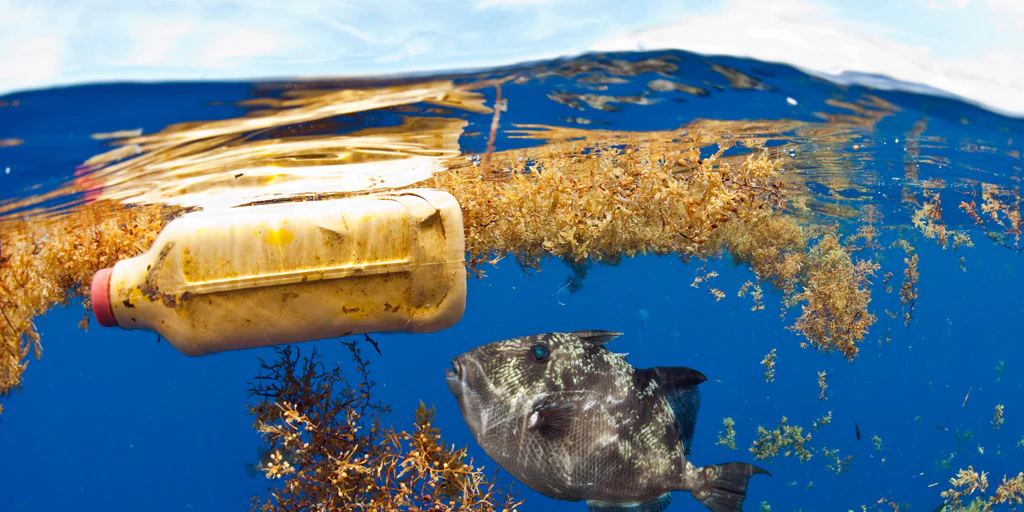
Ocean pollution has become one of the most pressing environmental concerns of the modern era. From plastic waste drifting across the seas to chemical runoff and heavy metals accumulating in marine ecosystems, the health of our oceans is under unprecedented pressure. These changes don’t just threaten marine life they also have a direct impact on human health, especially through the seafood we consume.
The Growing Problem of Ocean Pollution
Human activities introduce millions of tons of pollutants into the oceans each year. These contaminants come from a variety of sources, including:
-
Plastic waste: Single-use plastics break down into microplastics, which are easily ingested by fish and shellfish.
-
Industrial chemicals: Pesticides, oil spills, and toxic chemicals accumulate in marine environments and enter the food chain.
-
Heavy metals: Substances like mercury and lead persist in water for decades and concentrate in predatory fish.
-
Agricultural runoff: Excess fertilizers cause harmful algal blooms, which can produce toxins harmful to both marine organisms and people.
As these pollutants accumulate, they disrupt marine ecosystems, harm wildlife, and reduce overall ocean health.
How Pollution Affects Seafood Safety
The seafood industry relies on clean, healthy oceans. When pollutants infiltrate marine environments, they can contaminate commercial species such as tuna, salmon, shrimp, and shellfish. Some key risks include:
-
Mercury contamination: High levels of mercury can impair neurological development, making it especially dangerous for pregnant individuals and young children.
-
Microplastic ingestion: While research is ongoing, microplastics may carry harmful chemicals and pathogens that enter the seafood we eat.
-
Biotoxins from algal blooms: These can cause serious illnesses such as paralytic shellfish poisoning.
-
Persistent organic pollutants (POPs): These chemicals accumulate in fatty tissues and may have long-term health effects.
Seafood remains a vital source of nutrients, but pollution demands careful monitoring and responsible consumption.
Protecting Consumers and the Environment
Ensuring seafood safety requires coordinated action from governments, industries, and consumers. Key strategies include:
-
Strengthening environmental regulations to reduce industrial discharge and prevent chemical runoff.
-
Improving waste management to limit plastic pollution.
-
Increasing seafood testing and monitoring to identify contaminated species before they reach the market.
-
Supporting sustainable fishing and aquaculture, which prioritize environmental protection.
-
Educating consumers about safe seafood choices, such as opting for low-mercury species and checking advisories.
A Sustainable Future for Oceans and People
Ocean pollution is not just an environmental issue it is a public health challenge. By addressing pollution at its source and promoting responsible seafood practices, society can protect both marine ecosystems and the millions of people who rely on seafood for nutrition and livelihood.
Cleaner oceans mean safer seafood, healthier communities, and a more sustainable future for our planet.