

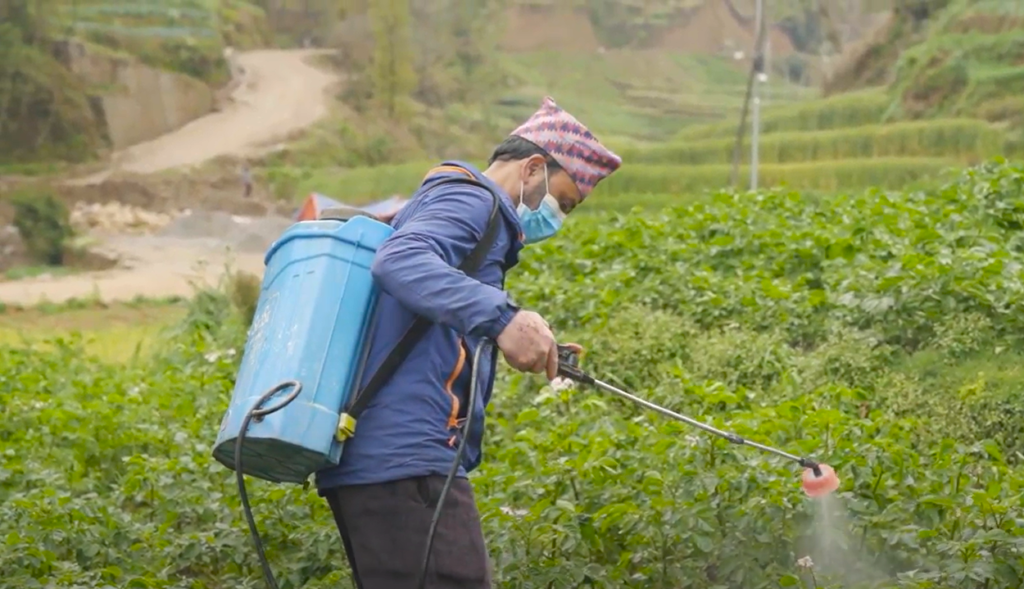
Pesticides play a central role in modern agriculture, helping protect crops from insects, weeds, and diseases. While these chemicals contribute to increased food production and global food security, growing evidence highlights significant risks associated with human exposure. Understanding how pesticides affect health is crucial for workers, consumers, and policymakers striving to balance agricultural productivity with public safety.
How People Are Exposed to Pesticides
Human exposure can occur in several ways:
-
Occupational Exposure
Agricultural workers, pesticide applicators, and farm laborers experience the highest levels of direct contact. They may inhale pesticide sprays, absorb chemicals through the skin, or accidentally ingest residues during handling. -
Environmental Exposure
Pesticides can drift from treated fields into nearby communities, contaminate water sources, and accumulate in soil and air. People living near agricultural areas are therefore more likely to encounter low-level, chronic exposure. -
Dietary Exposure
Trace residues of pesticides are commonly found on fruits, vegetables, and grains. While regulations set maximum residue limits, long-term ingestion of multiple chemicals remains a concern, especially for children and pregnant women.
Health Effects Linked to Pesticide Exposure
The health impacts depend on the type of pesticide, duration of exposure, and individual susceptibility. Effects can be acute (short-term) or chronic (long-term).
1. Acute Health Effects
Short-term exposure often at high levels can lead to:
-
Headaches and dizziness
-
Skin and eye irritation
-
Nausea and vomiting
-
Respiratory problems
Severe poisoning may cause seizures, coma, or even death, particularly with organophosphate or carbamate pesticides.
2. Chronic Health Effects
Long-term exposure, even at low levels, has been associated with:
-
Neurological disorders: Memory loss, cognitive decline, Parkinson’s disease
-
Reproductive issues: Reduced fertility, birth defects, developmental delays
-
Endocrine disruption: Hormone imbalance affecting metabolism and growth
-
Cancer risks: Increased likelihood of leukemia, lymphoma, and certain solid tumors
Children are especially vulnerable due to their developing bodies and higher intake of food and water relative to body weight.
Reducing the Risks
Protecting public health requires coordinated efforts at multiple levels:
-
Safer agricultural practices: Integrated Pest Management (IPM), organic farming, and the use of biological controls
-
Stricter regulations: Limiting or banning highly hazardous pesticides; enforcing proper labeling and training
-
Personal protection: Use of protective clothing, proper handling techniques, and safe storage by agricultural workers
-
Consumer habits: Washing produce thoroughly, buying organic options when possible, and staying informed about pesticide residue reports