

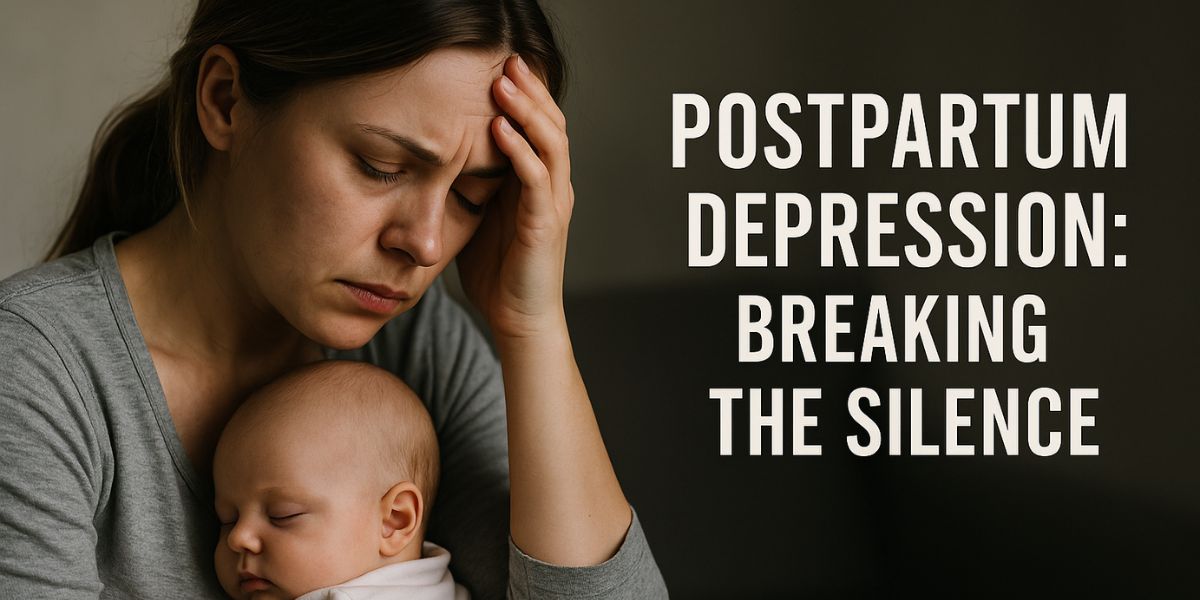
Postpartum depression (PPD) is a serious mood disorder that affects many new mothers, yet it often goes unspoken. Welcoming a new baby is expected to be a joyful experience, but for some women, the period after childbirth brings overwhelming sadness, fear, exhaustion, or disconnection. Breaking the silence around postpartum depression is the first step to ensuring mothers get the support they desperately need.
What Is Postpartum Depression?
PPD is more than the temporary “baby blues.” While baby blues last a few days and cause mild mood swings, postpartum depression is deeper, stronger, and lasts longer. It can begin anytime within the first year after childbirth. Hormonal changes, physical exhaustion, emotional stress, lack of support, and a history of depression can all contribute to its development.
Common Signs and Symptoms
Postpartum depression may look different for each woman, but common symptoms include:
- Persistent sadness, hopelessness, or emptiness
- Loss of interest in activities once enjoyed
- Difficulty bonding with the baby
- Feeling overwhelmed, anxious, or constantly worried
- Changes in appetite or sleep patterns
- Low energy or constant fatigue
- Guilt, shame, or feeling like a “bad mother”
- Thoughts of self-harm or harming the baby (in severe cases)
Recognizing these signs early can help mothers and their support systems take action before the condition worsens.
Why Breaking the Silence Matters
Many mothers feel ashamed to speak up because they fear judgment or think they are failing at motherhood. Cultural expectations often pressure women to appear strong and happy, even when they are struggling. Breaking the silence encourages open conversations that normalize postpartum mental health challenges. When mothers feel safe sharing their struggles, they can access professional help sooner and begin the healing process.
How Loved Ones Can Support
Family and friends play a critical role. Simple actions such as helping with chores, offering emotional support, watching the baby so the mother can rest, or gently encouraging her to seek professional help can make a big difference. Compassion, patience, and understanding are essential.
When to Seek Help
Seeking help is not a sign of weakness but an act of courage. A mother should reach out to a healthcare provider if she notices symptoms lasting more than two weeks or if the feelings are severe. Treatment may include counseling, support groups, lifestyle changes, and in some cases, medication.
A Message of Hope
Postpartum depression is treatable, and recovery is possible. Mothers do not have to suffer in silence. By raising awareness, reducing stigma, and supporting one another, we create a community where women feel seen, valued, and empowered to heal.
Breaking silence can save lives. Let’s speak up, listen, and stand with every mother on her journey to recovery.