

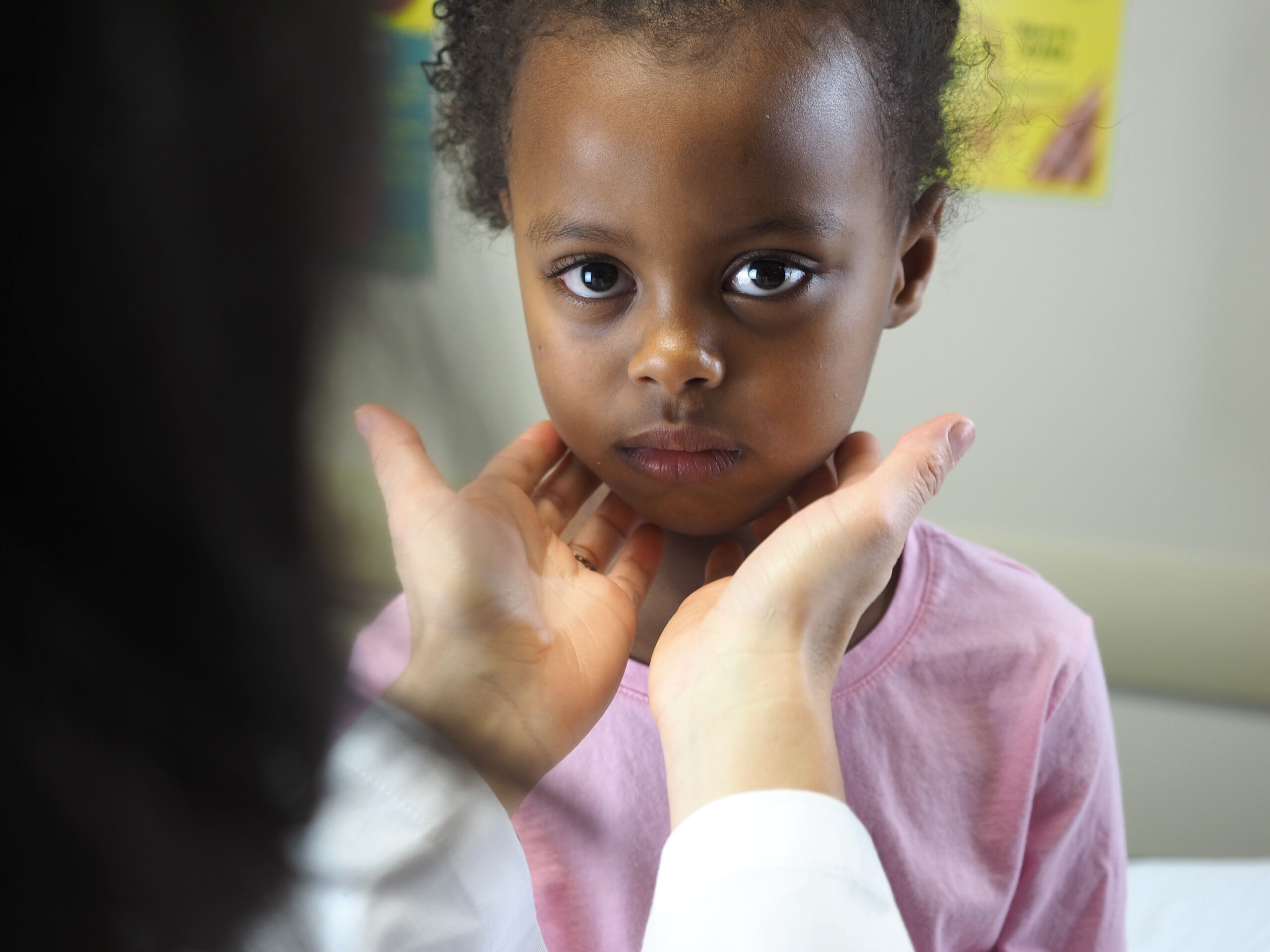
Children experience emotions deeply, but they often lack the language or confidence to clearly express what they are feeling. As a result, emotional distress may go unnoticed until it begins to affect a child’s behaviour, health, or school performance. Early recognition is essential to providing timely support and promoting healthy emotional development.
Emotional distress in children often appears through noticeable changes in behavior and mood. Common signs include increased irritability, frequent mood swings, aggression, or emotional outbursts. Some children may withdraw from friends, family, or activities they once enjoyed, while others become unusually clingy. Changes in sleep patterns such as difficulty sleeping or excessive sleepiness and appetite changes, including loss of appetite or overeating, can also signal emotional challenges. Physical complaints like recurring headaches or stomach aches without a clear medical cause are common ways children express emotional stress.
Academic and social difficulties may also emerge. A decline in school performance, loss of interest in learning, or avoidance of school may indicate distress. Emotionally affected children may express persistent worry, sadness, fear, or low self-esteem.
Several factors can contribute to emotional distress, including bullying, family conflict, separation or loss, trauma, academic pressure, and social or online influences. Understanding possible triggers helps caregivers respond more effectively.
Parents and caregivers play a critical role in supporting emotionally distressed children. Creating a safe, non-judgmental environment encourages children to share their feelings openly. Listening attentively, validating emotions, maintaining consistent routines, and teaching healthy coping skills can make a significant difference. Monitoring media exposure and promoting positive relationships also support emotional well-being.
If emotional distress persists, worsens, or interferes with daily functioning, seeking help from a pediatrician, counselor, or mental health professional is essential. Early intervention can greatly improve a child’s emotional health and long-term resilience.