

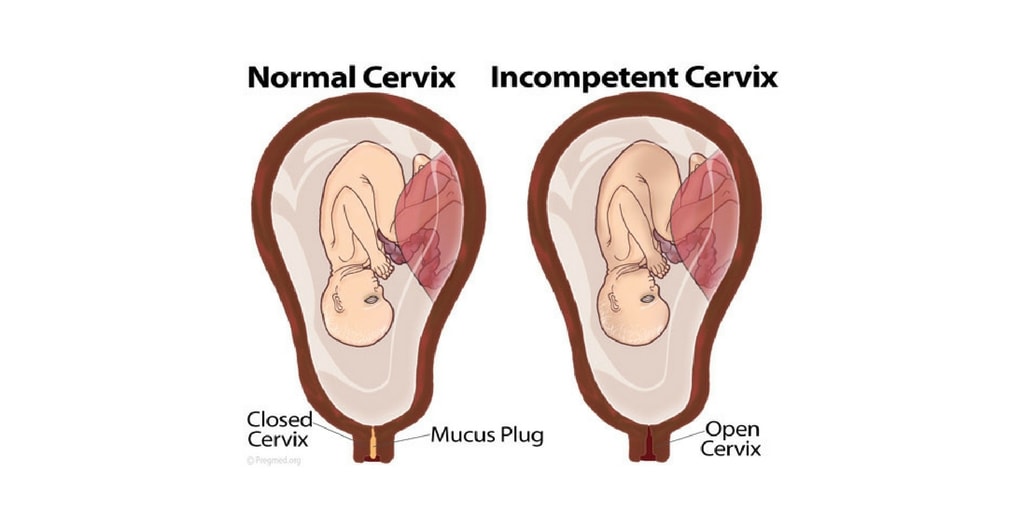
Healthy pregnancies are the foundation of strong families and communities. Yet, many pregnancy losses, especially in the second trimester, remain preventable. One often overlooked condition is cervical incompetence (cervical insufficiency), a painless weakening of the cervix that can lead to miscarriage or preterm birth. Through a combination of telehealth services, preventive care, and supportive maternal health policies, pregnancy outcomes can be significantly improved.
What Is Cervical Incompetence?
Cervical incompetence occurs when the cervix begins to open too early during pregnancy, usually between 14 and 24 weeks, without contractions or pain. This silent progression makes it particularly dangerous. Common risk factors include previous second-trimester pregnancy loss, cervical surgeries, repeated dilatation and curettage (D&C), traumatic childbirth, and congenital uterine abnormalities. Symptoms may be minimal or absent; many women are diagnosed only after pregnancy complications occur underscoring the importance of early assessment and ongoing monitoring.
The Role of Telehealth in Early Detection
Telehealth is transforming maternal and reproductive healthcare by increasing access to early screening, education, and follow-up especially for women in underserved or remote areas. Through virtual antenatal consultations, healthcare providers can:
- Conduct detailed obstetric history assessments
- Identify women at high risk for cervical incompetence
- Provide early referrals for ultrasound cervical length screening
- Offer continuous counseling, education, and emotional support
Telehealth also encourages early antenatal booking, which is critical for preventing pregnancy complications.
Prevention and Clinical Management
Preventive strategies for cervical incompetence focus on early identification and timely intervention. For women identified as high risk, management options may include:
- Cervical cerclage, a procedure that reinforces the cervix
- Progesterone therapy to reduce the risk of preterm birth
- Infection prevention and treatment
- Lifestyle guidance, including reduced physical strain and close monitoring
When these interventions are applied early, pregnancy outcomes improve significantly.
Policy and System-Level Gaps
Despite medical advances, gaps in maternal health policy continue to limit effective prevention. Cervical length screening is not routinely included in antenatal care protocols in many healthcare systems. Limited access to ultrasound services, financial barriers, and inadequate training of frontline health workers further increases the risk.
Telehealth integration into maternal care policies remains underutilized, despite its proven potential to improve early detection and continuity of care.
Policy and Prevention: A Wellness-Based Approach
To safeguard pregnancy outcomes, healthcare systems and policymakers must prioritize
- Standardized antenatal screening for cervical incompetence
- Integration of telehealth maternal care services
- Training healthcare workers on early risk identification
- Strengthening referral pathways for high-risk pregnancies
- Expanding maternal health education and wellness programs
These strategies align with a holistic wellness approach that supports both physical and emotional health throughout pregnancy.
Conclusion
Cervical incompetence is a preventable cause of pregnancy loss when addressed early. By combining telehealth-enabled care, preventive clinical practices, and supportive maternal health policies, healthcare systems can protect pregnancies and improve maternal and neonatal outcomes. Early detection and wellness-focused maternal care is not just good medicine; it is essential for safer pregnancies and healthier communities.