

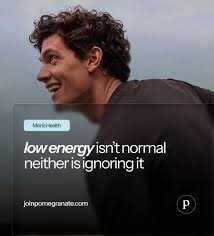
Signs of Low Energy Men Shouldn’t Ignore

Feeling tired occasionally is normal, but persistent low energy is not something men should dismiss as “just stress” or aging. Chronic fatigue can be an early warning sign of underlying health, lifestyle, or hormonal issues. Recognizing the symptoms early allows for timely changes that can restore vitality and prevent more serious problems.
Constant Fatigue Despite Adequate Sleep
If you’re getting seven to eight hours of sleep but still wake up feeling exhausted, it may signal more than poor rest. Conditions such as sleep apnea, nutrient deficiencies, or hormonal imbalances—particularly low testosterone—can disrupt restorative sleep and leave energy levels chronically depleted.
Declining Motivation and Drive
A noticeable lack of motivation, especially toward activities you once enjoyed, is a common sign of low energy. Men often experience this as reduced ambition, difficulty starting tasks, or mental sluggishness. This can be linked to prolonged stress, burnout, or neurotransmitter imbalances affecting focus and drive.
Reduced Physical Strength and Endurance
Struggling to complete workouts, feeling weaker than usual, or becoming easily winded may indicate declining energy reserves. Loss of muscle mass, poor recovery, or inadequate nutrition can contribute to this decline. Ignoring these signs can accelerate physical deconditioning and increase injury risk.
Brain Fog and Poor Concentration
Low energy often affects cognitive function. Difficulty concentrating, forgetfulness, and slower decision-making are frequently reported by men experiencing chronic fatigue. These symptoms may stem from poor sleep quality, dehydration, inflammation, or excessive mental stress.
Mood Changes and Irritability
Energy levels are closely tied to emotional health. Men with low energy may feel unusually irritable, anxious, or down without a clear reason. Fatigue can reduce stress tolerance, making everyday challenges feel overwhelming and impacting relationships and work performance.
Decreased Libido and Sexual Performance
A decline in sexual interest or performance can be a red flag for low energy and hormonal imbalance. Testosterone, stress hormones, and overall metabolic health all play a role in libido. When energy is low, the body often prioritizes survival functions over reproduction.
Increased Dependence on Caffeine or Sugar
Relying heavily on coffee, energy drinks, or sugary snacks to get through the day is often a sign that natural energy systems are struggling. These quick fixes can create energy crashes and worsen fatigue over time.
When to Take Action
Persistent low energy should never be ignored. Improving sleep, nutrition, physical activity, and stress management can make a significant difference. If symptoms persist, consulting a healthcare professional can help identify underlying causes and prevent long-term health consequences.
Listening to your body is key—low energy is often its way of asking for attention, not avoidance.