

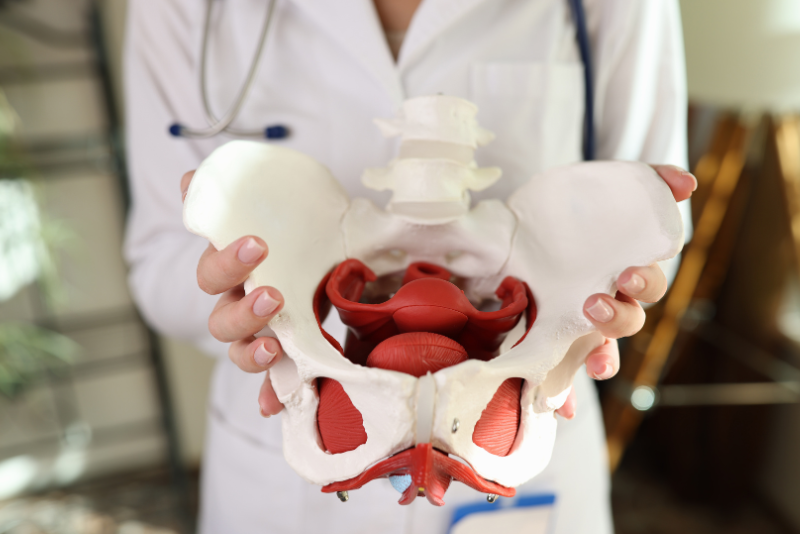
Pelvic floor health is an essential yet often overlooked part of women’s wellness. These muscles support the bladder, uterus, and bowel, playing a major role in core stability, sexual health, and overall comfort. Whether a woman is in her teens, childbearing years, or post-menopause, caring for the pelvic floor is key to long-term wellbeing.
Understanding the Pelvic Floor
The pelvic floor is a group of muscles and tissues that act like a supportive hammock at the base of the pelvis. When strong and functioning well, they help control urine flow, support the internal organs, and maintain stability during daily activities. When weak or strained, however, women may experience discomfort or bladder issues.
Incontinence and Why It Happens
Urinary incontinence of leaking urine when coughing, laughing, exercising, or feeling a sudden urge is very common. It can occur at any age and for several reasons, including:
- Pregnancy and childbirth
- Hormonal changes during menopause
- Chronic constipation
- High-impact exercise
- Aging and muscle weakening
While many women feel embarrassed discussing incontinence, it is a medical condition with effective solutions. Early attention helps prevent symptoms from worsening.
Strengthening the Pelvic Floor
The good news is that pelvic floor muscles can be trained just like any other muscle group. Simple exercises can make a big difference:
- Kegel Exercises:
Contract the pelvic floor muscles for a few seconds, then release them. Repeat regularly. Consistency is key to improvement.
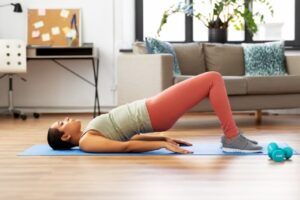
- Deep Breathing and Core Engagement:
Breathing exercises that coordinate the diaphragm and pelvic floor help improve control and strength.
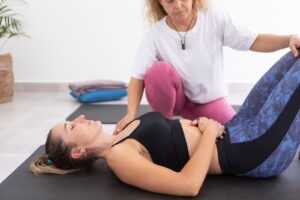
- Low-Impact Workouts:
Activities like walking, swimming, and Pilates support overall core strength without straining the pelvic floor.

- Professional Support:
A physiotherapist specializing in women’s health can guide personalized exercises, especially for women dealing with chronic symptoms.

Pelvic Floor Health as You Age
As women grow older, estrogen levels decrease, which can affect muscle elasticity and bladder control. This is why pelvic floor exercises remain important beyond childbearing years. Building strong muscles early and maintaining them through menopause and beyond reduces the risk of incontinence, prolapse, and discomfort.
Healthy habits such as drinking enough water, avoiding excessive caffeine, preventing constipation, and maintaining a balanced weight also support pelvic function as women age.
Why This Matters
Pelvic floor health contributes to confidence, comfort, and quality of life. Paying attention early helps prevent long-term issues, while seeking help when symptoms appear ensures women stay active, independent, and in control. A strong pelvic floor is not just a physical benefit; it empowers women at every stage of life.