

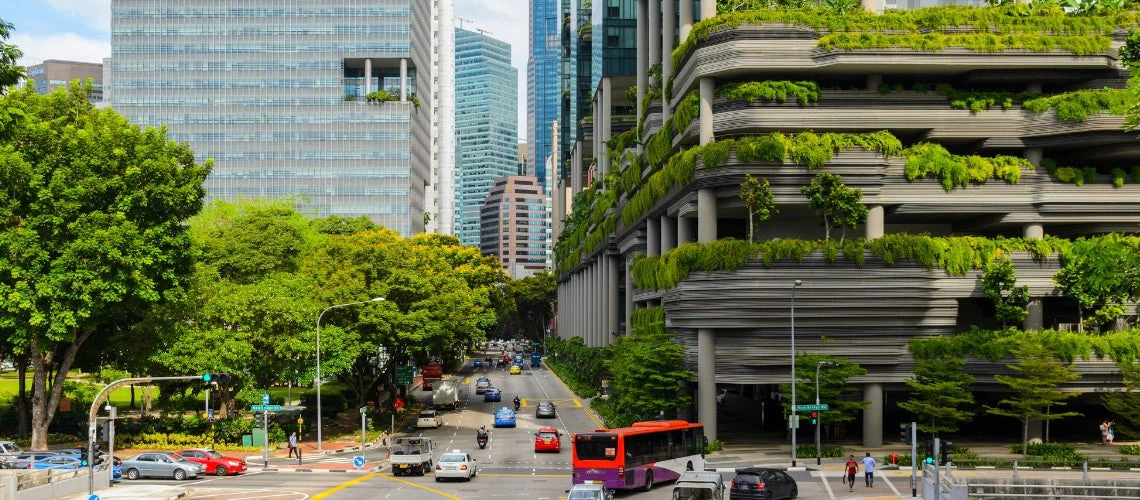
As global temperatures continue to rise, cities are experiencing the effects more intensely than surrounding rural areas. This phenomenon known as the Urban Heat Island (UHI) effect occurs when urban landscapes trap heat, leading to higher temperatures, increased energy consumption, and greater health risks. Understanding the causes of UHIs and the strategies available to mitigate them is critical for building resilient, livable cities.
What Causes Urban Heat Islands?
Urban heat islands form because cities are built with materials and structures that absorb and retain heat. Key contributing factors include:
1. Heat-Absorbing Surfaces
Asphalt, concrete, and dark roofing materials store heat during the day and release it slowly at night. This raises nighttime temperatures significantly compared to vegetated areas.
2. Lack of Greenery
Vegetation cools the environment through shade and evapotranspiration. Dense city blocks often lack trees and green spaces, reducing natural cooling.
3. Waste Heat from Human Activity
Vehicles, air conditioners, industrial processes, and buildings all generate waste heat, further elevating temperatures.
4. Urban Geometry
Tall buildings clustered close together reduce airflow and create “street canyons” that trap heat.
Impacts of Urban Heat Islands
Urban heat islands affect both the environment and human well-being:
-
Increased energy demand: Higher temperatures drive more air conditioning use, leading to higher energy costs and potential grid strain.
-
Health risks: Heat stress, dehydration, and worsened air quality disproportionately affect vulnerable populations such as the elderly and low-income communities.
-
Environmental stress: Elevated temperatures can harm local ecosystems and contribute to poorer water quality as warm runoff enters streams and lakes.
Cooling Solutions for Urban Areas
Addressing UHIs requires a combination of engineering approaches, nature-based solutions, and policy initiatives. Several effective strategies include:
- Vegetated surfaces on buildings help cool the structure, reduce energy consumption, and add biodiversity to dense urban areas.
- Using lighter-colored or reflective materials lowers heat absorption. Cool pavements can significantly reduce surface temperatures, especially in large parking areas.
- Planting trees along streets, creating new parks, and restoring natural landscapes help cool cities through shade and evapotranspiration. Trees can reduce local temperatures by several degrees.
- Designing cities with open spaces, breezeways, and wider streets can enhance natural ventilation and allow heat to dissipate.
- Fountains, ponds, and restored waterways create localized cooling effects and offer recreational benefits.
- Energy-efficient appliances, improved building insulation, and better public transit reduce the waste heat created by vehicles and HVAC systems.
Combatting urban heat islands is not just an environmental challenge, it’s a public health and social equity issue. By integrating cooling solutions into city planning, municipalities can improve quality of life, reduce energy consumption, and protect vulnerable residents. As global warming intensifies, implementing these strategies will be essential for creating sustainable and comfortable urban environments.