

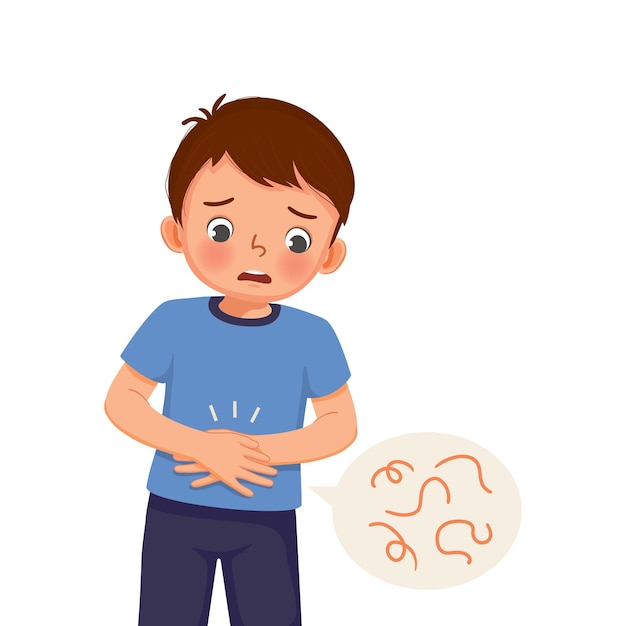
Worm infestation is a common health problem among children, particularly in communities where sanitation and hygiene are poor.
Intestinal worms such as roundworms, hookworms, and tapeworms can cause stomach pain, poor appetite, anemia, and slow growth. Children are especially vulnerable because they often play barefoot, touch contaminated soil, and may eat without proper hand washing.
Prevention starts with good hygiene. Encourage children to wash their hands with soap and clean water after using the toilet and before eating. Keep nails short and clean, ensure food is well-cooked and covered, and provide clean drinking water. Children should wear shoes outdoors to prevent hookworm infection through the skin and avoid playing in dirty or stagnant areas.
Maintaining a clean environment is equally important,dispose of waste properly and promote the use of toilets to prevent contamination.
Regular deworming is essential for keeping children healthy. The World Health Organization (WHO) recommends that children aged 1–14 years be dewormed every six months using a single dose of Albendazole or Mebendazole. Some areas also carry out school or community deworming programs to ensure all children are protected.
After deworming, provide children with a balanced diet rich in iron, fruits, vegetables, and proteins to help them regain nutrients lost to worm infestation. Parents should watch for warning signs such as persistent stomach pain, fatigue, or visible worms in stool and seek medical care when needed.
Through consistent hygiene, clean surroundings, and regular deworming, parents can prevent worm infestation, strengthen their children’s immunity, and support healthy growth and development.