

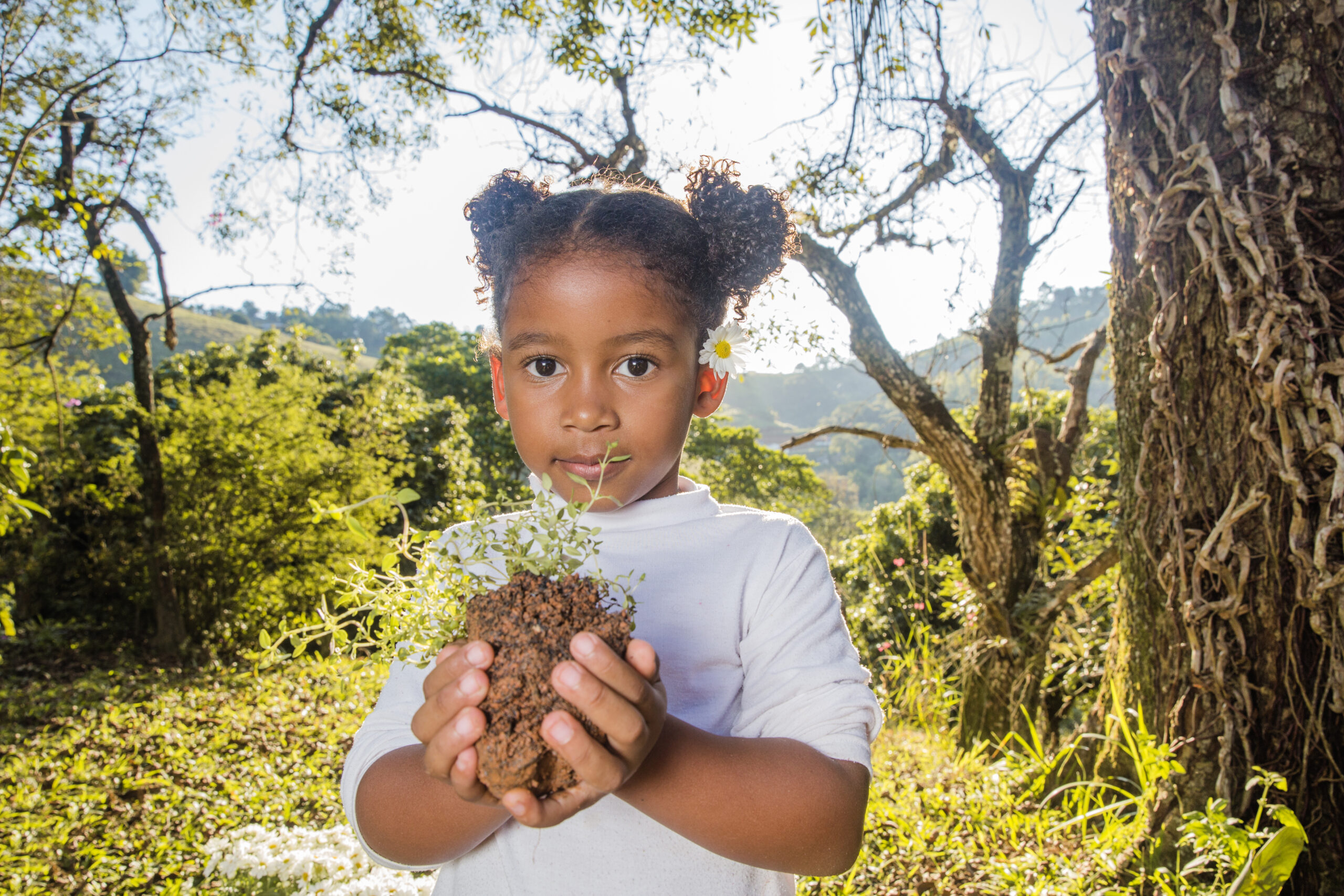
In today’s fast-paced, screen-filled world, outdoor play is slowly becoming less common for children. Yet spending time in nature is not a luxury,it is a powerful tool for supporting a child’s physical, emotional, and mental development. Research continues to show that regular exposure to natural environments plays a vital role in a child’s overall well-being.
The Science of Sight
One of the most remarkable benefits of outdoor time is its effect on eye health. Rates of myopia (shortsightedness) in children are rising globally. Natural sunlight, which is far brighter than indoor lighting, stimulates the release of dopamine in the retina. This dopamine helps regulate eye growth and reduces the risk of excessive eye elongation. Studies suggest that spending about two hours outdoors daily can significantly lower the likelihood of vision problems later in life.
Mental Health, Focus, and Resilience
Nature also provides a powerful mental reset for children. Unlike screens, which demand constant attention and can lead to mental fatigue, natural environments offer what experts call “soft fascination.” Watching birds, trees, or clouds allows the brain to relax and restore its attention capacity. Even short periods outdoors have been shown to reduce stress hormones, improve mood, and ease symptoms of attention difficulties. Outdoor play also encourages healthy risk taking, helping children build confidence, resilience, and problem solving skills.
Making Outdoor Time a Habit
You don’t need access to a forest or large park to see the benefits. A backyard, local playground, or a simple walk around the neighborhood is enough. Aim for small, consistent doses of outdoor time throughout the week.
Today, consider trading just 15 minutes of screen time for 15 minutes outdoors. A short walk, free play, or quiet time in nature can do wonders for your child’s overall well-being nurturing their body, calming their mind, and strengthening their ability to focus and grow with confidence. Sometimes, the simplest moments outside make the biggest difference.