
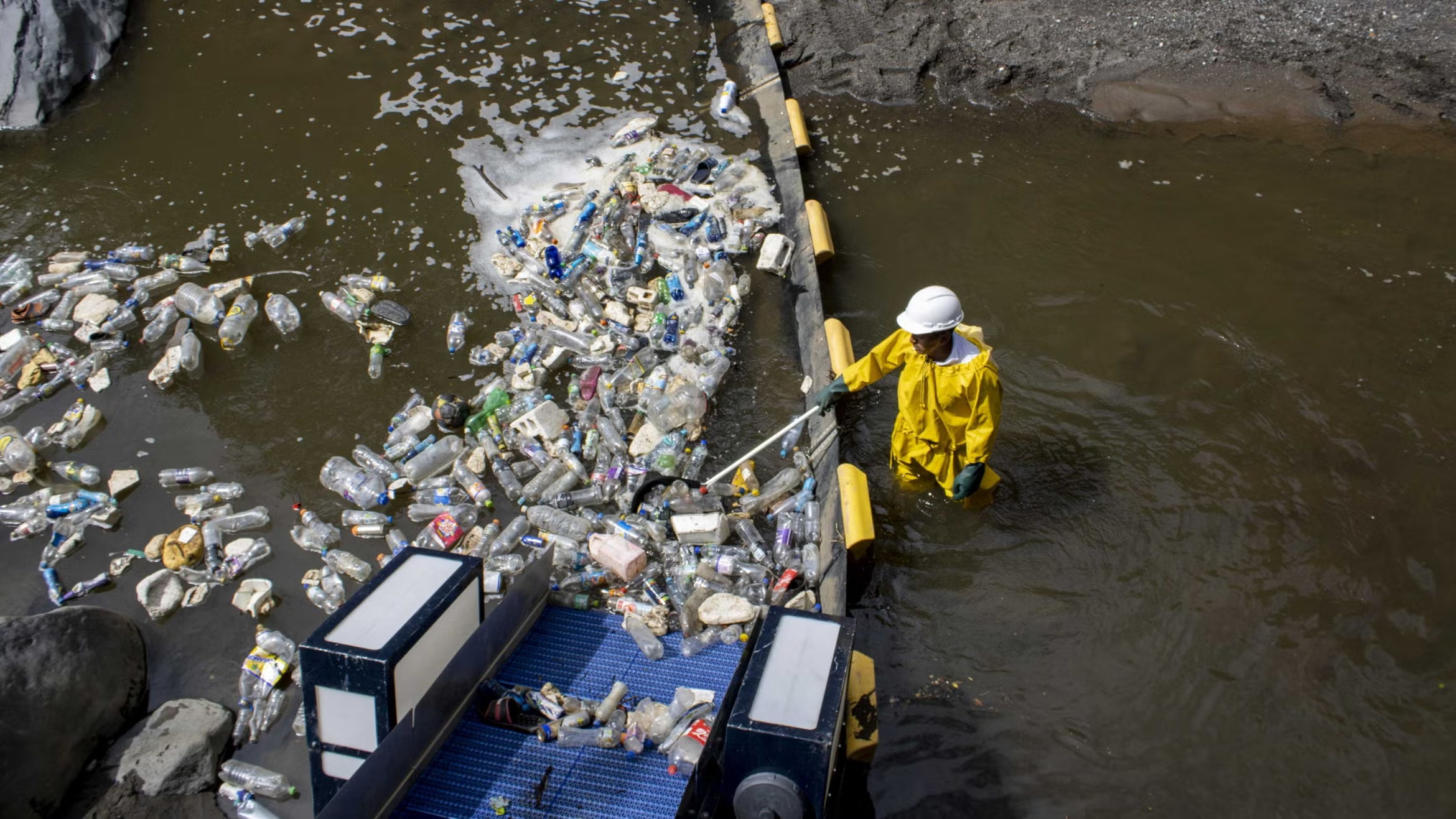
From an economic standpoint, preventing pollution is usually far cheaper than cleaning it up later. Cleanup costs go well beyond fixing the immediate damage. They include healthcare expenses, lost worker productivity, ecosystem restoration, legal disputes, reduced property values, and long-term monitoring. These costs accumulate over time and often last decades.
Prevention, by contrast, typically involves upfront investments cleaner technologies, safer materials, or better processes. While these costs are visible and immediate, they stop pollution before it spreads, multiplies, or becomes entrenched.
A key reason cleanup persists is externalities. Polluters often don’t pay the full cost of the damage they cause; instead, the public absorbs health and environmental losses. Prevention policies (regulation, pollution pricing, standards) correct this market failure by internalizing costs earlier, which improves overall economic efficiency.
Prevention also benefits from economies of scale and innovation. Clean technologies tend to get cheaper and more effective over time. Cleanup doesn’t: every contaminated site is unique, technically difficult, and legally complex.
Finally, some environmental damage is irreversible species loss, bioaccumulation of toxins, climate impacts. When harms can’t be fully repaired, cleanup can never restore the lost economic value, making prevention overwhelmingly preferable.
In short: prevention reduces total social costs, limits irreversible harm, and delivers higher long-term economic returns, even if it looks more expensive upfront.