

Belly Fat in Men: Causes, Risks, and Solutions
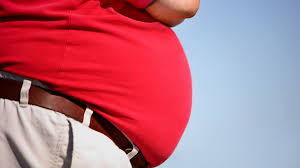
Belly fat, also known as abdominal or visceral fat, is a common concern among men, especially as they age. Unlike fat stored in other parts of the body, belly fat surrounds internal organs such as the liver and intestines, making it particularly harmful to overall health. Understanding why it develops, the risks it poses, and how to manage it is key to long-term well-being.
Causes of Belly Fat in Men
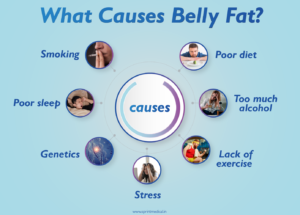
Several factors contribute to the accumulation of belly fat in men. One major cause is hormonal change. As men age, testosterone levels tend to decline, which can lead to increased fat storage around the abdomen. Poor diet also plays a significant role. Diets high in refined carbohydrates, sugary drinks, alcohol, and processed foods promote fat gain, particularly in the belly area. Lack of physical activity further worsens the problem, as fewer calories are burned throughout the day. Stress is another overlooked factor—chronic stress increases cortisol levels, a hormone linked to abdominal fat storage. Genetics can also influence where the body prefers to store excess fat.
Health Risks Associated with Belly Fat
Belly fat is more than a cosmetic issue; it is a serious health risk. Visceral fat is metabolically active, meaning it releases inflammatory substances that interfere with normal bodily functions. High levels of belly fat are strongly linked to heart disease, high blood pressure, type 2 diabetes, and stroke. It is also associated with insulin resistance, unhealthy cholesterol levels, and fatty liver disease. In some cases, excess abdominal fat can even increase the risk of certain cancers. These risks make managing belly fat an important priority for men’s health.
Effective Solutions to Reduce Belly Fat
Reducing belly fat requires a combination of lifestyle changes rather than quick fixes. A balanced diet is essential—focus on whole foods such as lean proteins, vegetables, fruits, whole grains, and healthy fats. Reducing sugar, alcohol, and processed foods can make a noticeable difference. Regular physical activity is equally important. Strength training helps build muscle and boost metabolism, while aerobic exercises like walking, running, or cycling burn calories and improve heart health. Managing stress through sleep, relaxation techniques, or mindfulness can help control cortisol levels. Consistency is key; sustainable habits lead to lasting results.
In conclusion, belly fat in men is influenced by lifestyle, hormones, and genetics, but it is manageable. By understanding the causes, recognizing the risks, and adopting healthier habits, men can significantly improve both their appearance and overall health.