
Pregnancy is a beautiful journey, but it also brings changes that require close monitoring. One condition that deserves serious attention is Pregnancy-Induced Hypertension (PIH), high blood pressure that develops during pregnancy. Early awareness, proper monitoring, and timely care can prevent complications and protect both mother and baby.
What Is Pregnancy-Induced Hypertension?
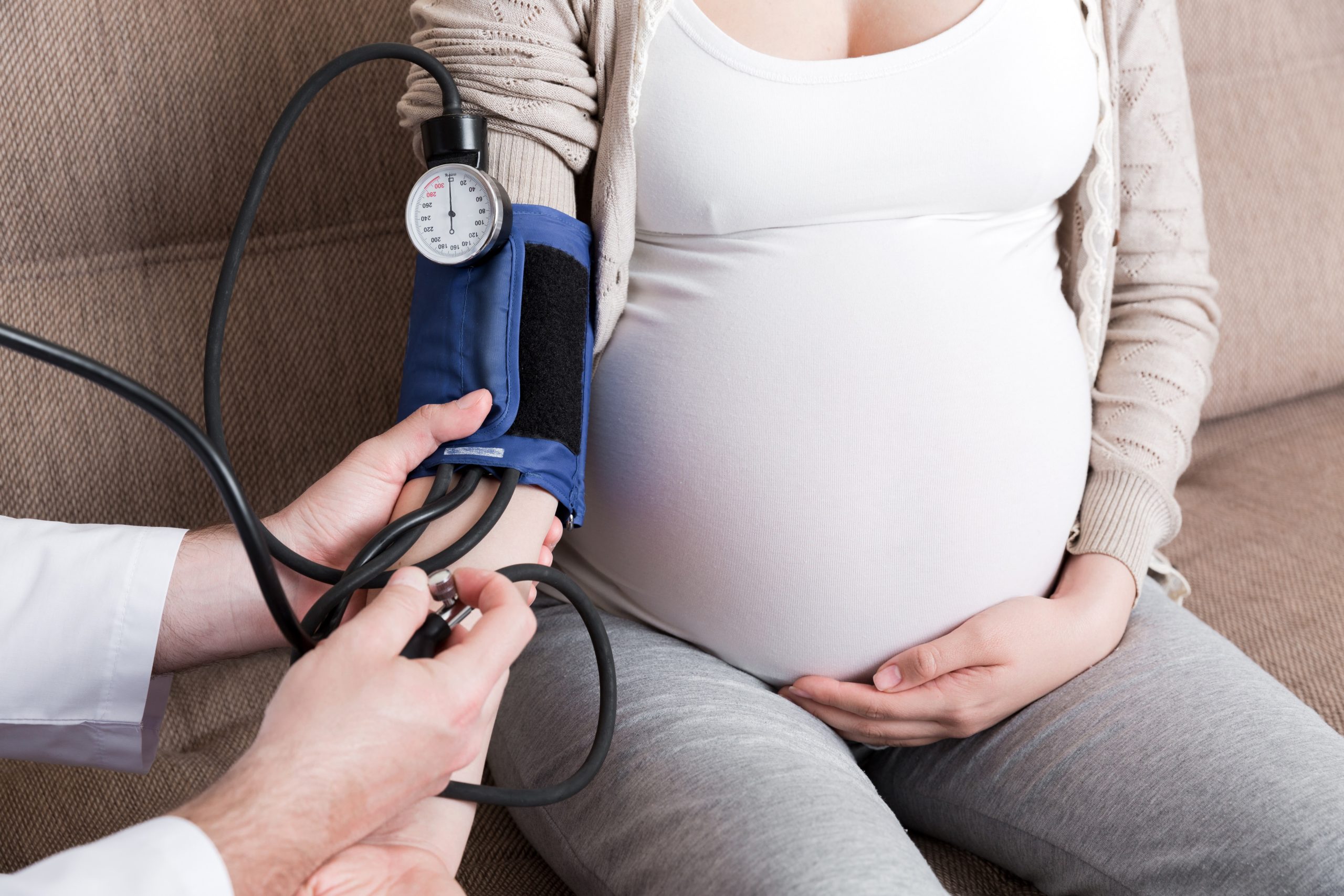
Pregnancy-Induced Hypertension is diagnosed when a pregnant woman develops high blood pressure (140/90 mmHg or higher) after 20 weeks of pregnancy, without having had hypertension before.
PIH exists on a spectrum and may present as:
- Gestational hypertension – High blood pressure without protein in urine.
- Pre-eclampsia – High blood pressure with signs of organ involvement (commonly protein in urine).
- Eclampsia – Pre-eclampsia with seizures (a life-threatening emergency).
Why Is It Dangerous?
When blood pressure becomes elevated during pregnancy, it can affect blood flow to vital organs such as the kidneys, liver, brain, and placenta.
For the mother, it may lead to:
- Severe headaches
- Visual disturbances
- Stroke
- Organ damage
- Seizures (in severe cases)
For the baby, it can cause:
- Poor growth (intrauterine growth restriction)
- Preterm birth
- Low birth weight
- Reduced oxygen supply
- Stillbirth in severe cases
This is why routine antenatal care is not negotiable.
Who is at Risk?
While PIH can occur in any pregnant woman, certain factors increase the risk:
- First pregnancy
- Multiple pregnancy (twins or more)
- History of hypertension
- Obesity
- Diabetes
- Kidney disease
- Family history of pre-eclampsia
- Previous history of PIH
Even without these risk factors, regular monitoring remains essential.
Warning Signs
Many women with early PIH may not feel unwell. However, seek urgent medical attention if you notice:
- Persistent or severe headache
- Blurred vision or seeing flashing lights
- Swelling of face and hands (sudden or severe)
- Pain in the upper abdomen
- Reduced fetal movements
- Sudden weight gain
- Shortness of breath
These symptoms may indicate worsening pre-eclampsia and require immediate evaluation.
How Is It Diagnosed?
Diagnosis is made through:
- Regular blood pressure checks
- Urine testing for protein
- Blood tests to assess liver and kidney function
- Fetal monitoring (ultrasound and growth assessment)
This is why skipping antenatal visits can be dangerous. PIH is often detected during routine check-ups.
Management and Treatment
Treatment depends on severity and gestational age.
For mild cases:
- Close monitoring
- Reduced physical stress
- Blood pressure medications if needed
- Frequent antenatal visits
For severe cases:
- Hospital admission
- Medications to control blood pressure
- Medications to prevent seizures
- Careful monitoring of mother and baby
- Early delivery if necessary
The only definitive “cure” for pre-eclampsia is delivery of the baby, but timing must balance maternal safety and fetal maturity.
Prevention
There is no guaranteed way to prevent PIH, but risk can be reduced by:
- Attending early and regular antenatal care
- Maintaining a healthy weight before and during pregnancy
- Managing chronic conditions like diabetes and hypertension
- Following medical advice strictly
- Taking prescribed medications (including low-dose aspirin if recommended by a doctor)
Self-medication or herbal remedies without medical guidance should be avoided.
The Role of Family and Community
Support systems matter. Partners and family members should:
- Encourage regular antenatal visits
- Help reduce stress at home
- Recognize warning signs
- Seek urgent care if symptoms appear
- Provide emotional and practical support
Pregnancy care is not just a woman’s responsibility; it is a family and community effort.
Final Thought
Pregnancy-Induced Hypertension is a serious condition, but with early detection and proper care, most women can have safe and healthy deliveries. The message is clear: monitor your blood pressure, never ignore warning signs, and attend antenatal care consistently because every check is a vital step in protecting both mother and baby.