

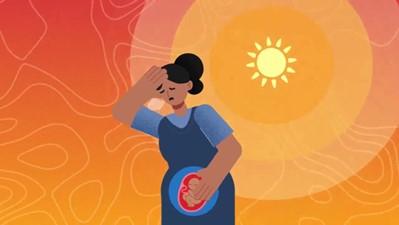
Climate change is increasingly recognized as a major global health challenge, with serious consequences for maternal health. Pregnant women are particularly vulnerable to environmental changes due to the physiological demands of pregnancy and existing social and economic inequalities. Rising temperatures, extreme weather events, food insecurity, and the spread of infectious diseases all contribute to increased health risks for mothers and their babies.
One of the most direct impacts of climate change on maternal health is heat exposure. Pregnant women are less able to regulate body temperature, making them more susceptible to heat stress. Prolonged exposure to extreme heat has been associated with dehydration, high blood pressure, preterm birth, and low birth weight. These risks are especially high in regions where access to cooling, safe housing, and healthcare is limited.
Extreme weather events such as floods, hurricanes, and droughts disrupt healthcare systems and restrict access to essential prenatal, delivery, and postnatal care. Damage to infrastructure, displacement, and shortages of medical supplies can leave pregnant women without skilled care during critical periods. Climate related disasters also increase the risk of infections due to poor sanitation and unsafe water.
Climate change further affects maternal health through food insecurity and malnutrition. Changes in rainfall patterns and agricultural productivity reduce food availability and increase prices, disproportionately affecting pregnant and breastfeeding women who have higher nutritional needs. Poor maternal nutrition increases the risk of anemia, pregnancy complications, and adverse birth outcomes.
In addition, environmental changes influence the spread of infectious diseases such as malaria and dengue, which pose serious risks during pregnancy. The psychological stress caused by climate-related disasters and uncertainty can also negatively affect maternal mental health.
Protecting maternal health in the face of climate change requires resilient healthcare systems, improved access to nutrition and clean water, and the integration of maternal health into climate policies. Addressing these challenges is essential to safeguarding the health of mothers and future generations.