

Fertility Decline in Men: What You Should Know

Male fertility is often overlooked in conversations about reproductive health, but research shows that men’s fertility is declining worldwide. Sperm counts, sperm quality, and testosterone levels have all dropped over the past several decades, making it harder for many couples to conceive. Understanding why this is happening—and what men can do about it—is essential.
What’s Behind the Decline?
One of the biggest contributors to declining male fertility is lifestyle factors. Poor diet, lack of physical activity, obesity, smoking, excessive alcohol consumption, and chronic stress can all negatively affect sperm production and hormone balance. Obesity, in particular, is linked to lower testosterone levels and higher estrogen, which can impair sperm development.
Environmental exposure also plays a major role. Chemicals known as endocrine disruptors—found in plastics, pesticides, and some personal care products—can interfere with hormone function. Long-term exposure to pollution, heavy metals, and industrial chemicals has been associated with reduced sperm count and motility.
Another factor is age. While men can remain fertile longer than women, sperm quality does decline over time. After age 40, men may experience reduced sperm motility, increased DNA damage in sperm, and a longer time to achieve pregnancy with a partner.
Signs of Fertility Issues
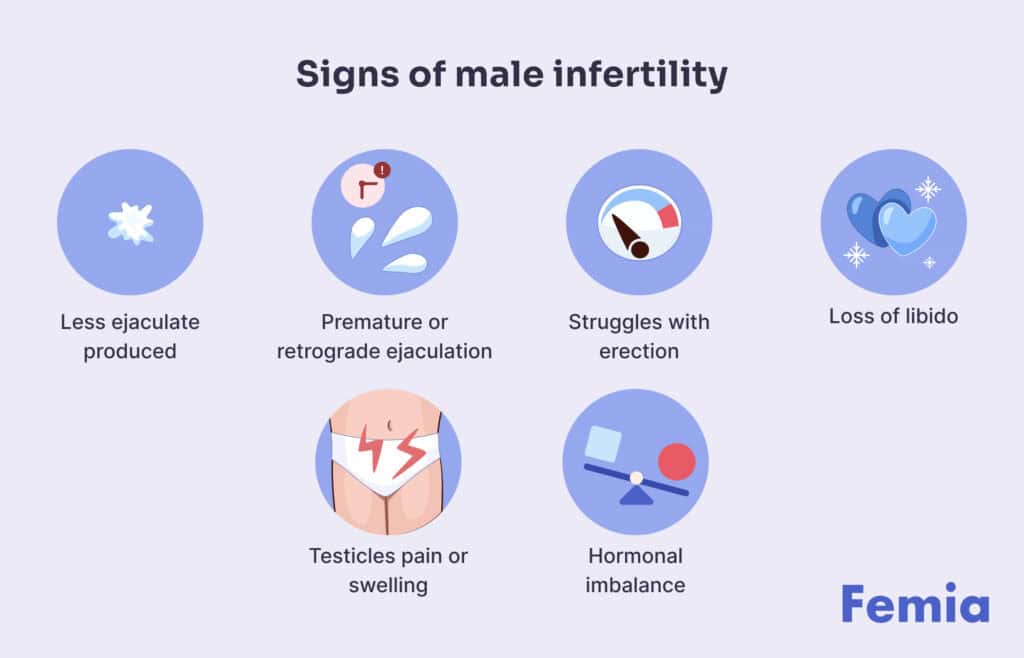
Male fertility problems often have no obvious symptoms. Some men may notice changes such as reduced libido, erectile difficulties, testicular pain, or hormonal symptoms like fatigue and muscle loss. However, many only discover an issue after struggling to conceive.
Why It Matters
Declining fertility isn’t just about having children—it’s also a marker of overall health. Low sperm count and low testosterone have been linked to higher risks of cardiovascular disease, metabolic disorders, and reduced longevity. In many cases, fertility problems can be an early warning sign of broader health issues.
What Men Can Do
The good news is that male fertility is often modifiable. Maintaining a healthy weight, exercising regularly, eating a nutrient-rich diet, managing stress, and getting enough sleep can significantly improve reproductive health. Reducing exposure to toxins, limiting alcohol, and quitting smoking are also critical steps.
Men who are concerned about fertility should consider seeing a healthcare provider for hormone testing and semen analysis. Early intervention can make a meaningful difference.
Male fertility decline is real—but it’s not inevitable. With awareness and proactive health choices, many men can protect both their reproductive potential and their long-term well-being.