

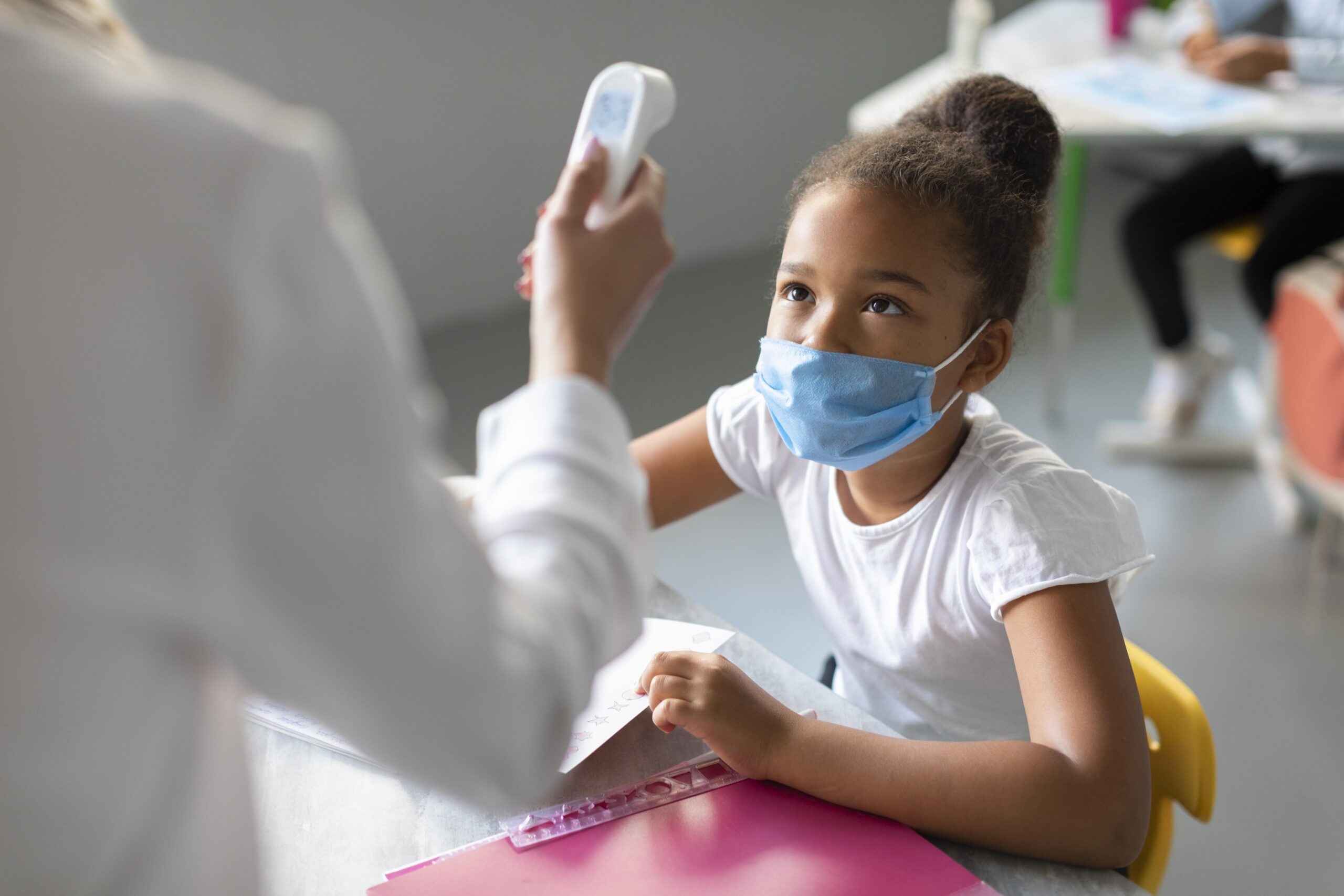
Childhood illnesses are a common part of growing up, as children’s immune systems are still developing and they are frequently exposed to germs at home, school, and play areas. While many childhood illnesses are mild, some can be serious if not prevented or properly managed. Understanding common illnesses and adopting preventive measures can help keep children healthy and thriving.
Some of the most common childhood illnesses include respiratory infections such as the common cold, flu, and pneumonia. These are usually caused by viruses or bacteria and spread easily through coughs, sneezes, and contaminated surfaces. Diarrhea and gastroenteritis are also common and can lead to dehydration if not treated promptly. Other preventable illnesses include measles, mumps, rubella, and chickenpox, which are highly contagious viral infections. In malaria-endemic areas, malaria remains a major childhood illness transmitted through mosquito bites.
Prevention is the most effective way to reduce the burden of these illnesses. Good hygiene practices, especially regular hand washing with soap and water before eating and after using the toilet, help limit the spread of germs. Keeping the environment clean and ensuring safe food handling are also important in preventing infections like diarrhea.
Vaccination plays a critical role in protecting children from serious and life-threatening diseases such as measles, polio, and chickenpox. Parents should ensure children receive all recommended vaccines according to schedule. For malaria prevention, the use of insecticide-treated mosquito nets, protective clothing, and insect repellents is essential.
Healthy lifestyle habits further strengthen a child’s immune system. A balanced diet, adequate sleep, regular physical activity, and avoiding close contact with sick individuals all contribute to better health. By combining hygiene, immunization, and healthy living, parents and caregivers can greatly reduce the risk of common childhood illnesses.