

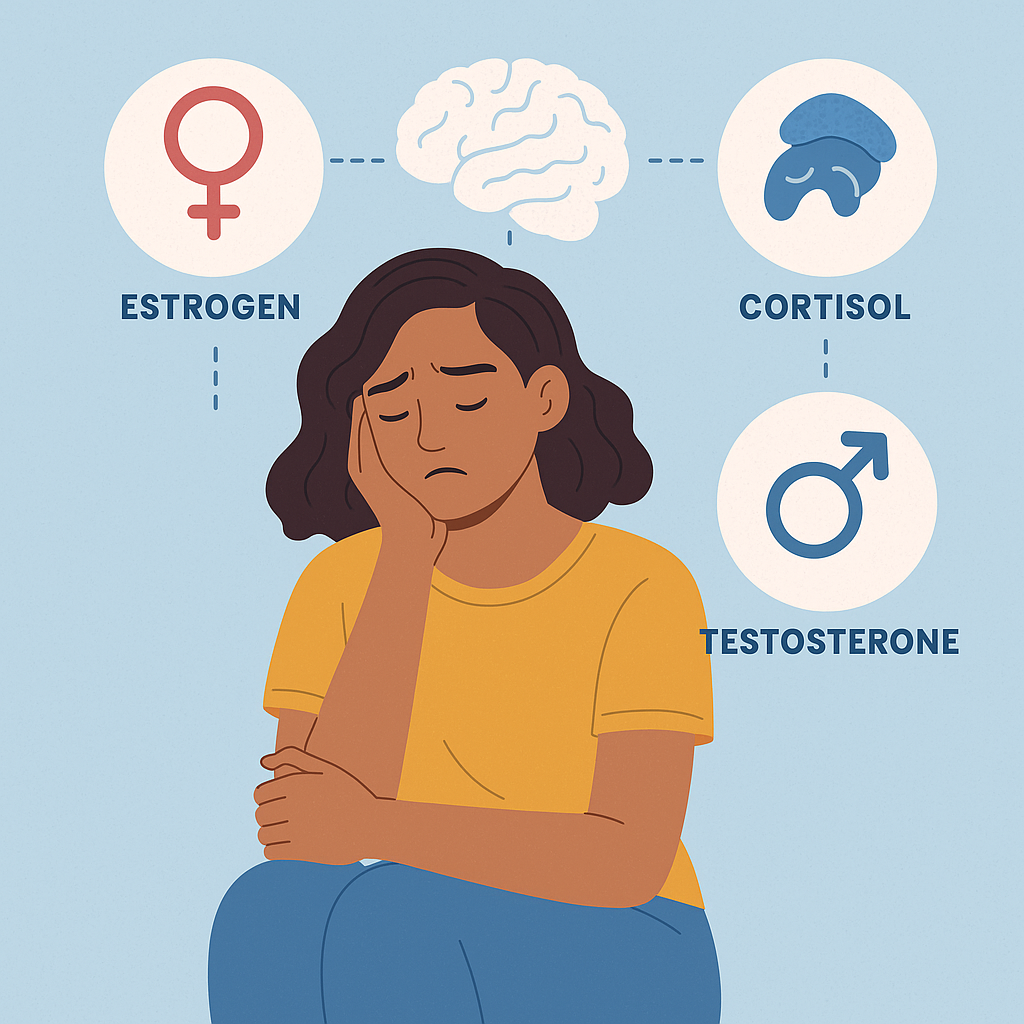
Hormones play a vital role in women’s physical and emotional well-being. They influence how we feel, think, sleep, and cope with stress. In community health settings, understanding the link between hormones and mental health helps women recognize changes early, seek support, and make informed lifestyle choices.
Why Hormones Matter for Women’s Mental Health?
Hormones act as messengers between the brain and the body. When they are balanced, mood and emotional health are usually stable. When they fluctuate as they often do in women, emotional and mental well-being can be affected.
Key hormones involved include:
- Estrogen: Supports mood regulation and emotional balance. Changes in estrogen levels can lead to mood swings, anxiety, or low mood.
- Progesterone: Has a calming effect on the brain. Low levels may increase irritability or restlessness.
- Serotonin: Often called the “feel-good” hormone, it helps regulate mood and sleep. Hormonal changes can reduce serotonin activity.
- Cortisol: The stress hormone. Chronic stress raises cortisol levels, which can worsen anxiety, sleep problems, and emotional fatigue.
Hormonal Changes Across a Woman’s Life
Women experience natural hormonal shifts that may affect mental health:
- Adolescence: Puberty brings hormonal changes that may cause mood swings and emotional sensitivity.
- Menstrual cycle: Some women experience emotional changes before or during menstruation due to hormone fluctuations.
- Pregnancy and postpartum: Major hormonal shifts can affect mood and emotional well-being, making support essential during this period.
- Perimenopause and menopause: Declining estrogen levels may lead to mood changes, anxiety, poor sleep, and reduced emotional resilience
Recognizing these changes helps women understand that emotional struggles are not a personal weakness but often linked to biological changes.
The Role of Lifestyle and Community Support
Lifestyle factors strongly influence hormonal balance and mental health. Poor sleep, unhealthy diets, lack of physical activity, and chronic stress can worsen emotional well-being.
Practical community-focused actions include:
- Encouraging regular physical activity such as walking or group exercise
- Promoting balanced meals with fruits, vegetables, protein, and whole grains
- Supporting good sleep habits
- Creating safe spaces for women to talk about emotional challenges
- Encouraging stress management through relaxation, prayer, or mindfulness
When to Seek Help
Persistent sadness, anxiety, sleep problems, or emotional distress that interferes with daily life should not be ignored. Community health workers and healthcare providers can help assess whether hormonal changes or other factors are affecting mental health and guide women toward appropriate care.
Conclusion
Hormones and mental health are closely connected in women’s lives. Understanding this link empowers women, families, and communities to support emotional well-being with compassion and knowledge. By combining healthy lifestyle choices with strong community support and timely professional care, women can maintain better mental and emotional health at every stage of life.