

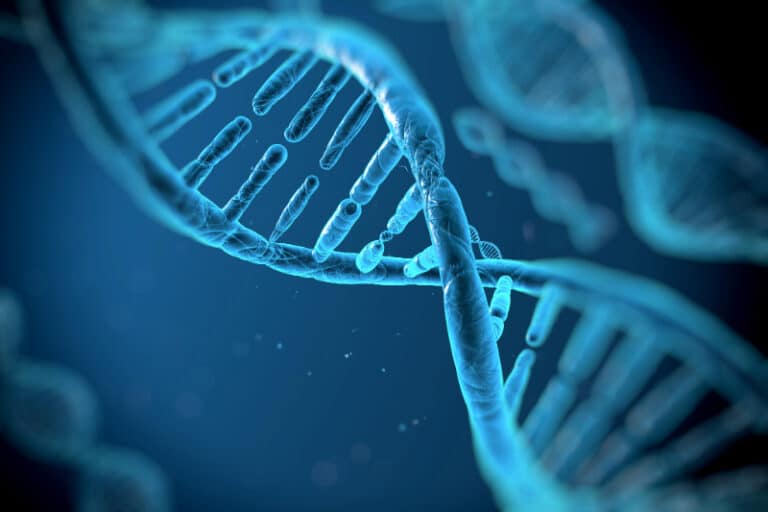
How Genetics Influence Men’s Health Risks

Genetics play a powerful role in shaping men’s health, influencing everything from disease susceptibility to how the body responds to lifestyle choices and medical treatments. While environment and behavior matter, inherited genetic traits can significantly raise or lower the risk of certain conditions commonly affecting men.
One of the most well-known examples is cardiovascular disease. Men with a family history of heart attacks, high blood pressure, or high cholesterol are more likely to develop these conditions themselves. Specific genetic variants affect how the body processes fats, regulates blood pressure, and controls inflammation, all of which contribute to heart disease risk. This genetic predisposition partly explains why some men develop heart disease despite maintaining relatively healthy lifestyles.
Cancer risk is another area where genetics strongly influence men’s health. Prostate cancer, the most common cancer among men in many countries, has a clear hereditary component. Men with close relatives who have had prostate cancer face a significantly higher risk, especially if diagnosis occurred at a young age. Genetic mutations such as those in the BRCA1 and BRCA2 genes—often associated with breast cancer—also increase the likelihood of prostate and pancreatic cancers in men.
Genetics also affect metabolic health. Conditions such as type 2 diabetes and obesity tend to run in families due to genes that influence insulin sensitivity, fat storage, and appetite regulation. Men with these genetic traits may gain weight more easily or struggle to control blood sugar, even with moderate diets. Understanding this risk can encourage earlier screening and targeted lifestyle changes.
Mental health is not exempt from genetic influence. Disorders like depression, anxiety, and substance use disorders have hereditary components. Men may inherit differences in brain chemistry or stress-response systems that increase vulnerability, particularly when combined with social pressures that discourage emotional expression or seeking help.
Additionally, genetics influence hormonal health, especially testosterone levels. Low testosterone can affect energy, muscle mass, mood, and sexual health. Certain genetic variations impact hormone production and receptor sensitivity, shaping how men age and respond to treatment.
Importantly, genetics do not determine destiny. They represent risk, not certainty. Advances in genetic testing and personalized medicine now allow men to understand their inherited risks and take proactive steps—such as earlier screenings, tailored exercise plans, and preventive care—to reduce the likelihood of serious illness.
In summary, genetics significantly shape men’s health risks across physical and mental domains. Recognizing these inherited factors empowers men to move from passive risk to active prevention, turning genetic knowledge into a tool for longer, healthier lives.