

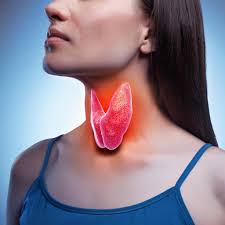
The thyroid is a small, butterfly-shaped gland located at the front of the neck, but its impact on the body is very big. It plays a key role in regulating metabolism, energy levels, body temperature, heart rate, and even growth and development.
What Does Thyroid Do?
The thyroid produces hormones mainly T3 (triiodothyronine) and T4 (thyroxine) which control how fast or slow the body uses energy. These hormones affect nearly every organ in the body. When the thyroid is not working properly, it can disrupt many body functions.
Common Thyroid Disorders
- Goiter
Goiter is an enlargement of the thyroid gland. It is often caused by iodine deficiency, but it can also occur when the thyroid is overactive or underactive.
- Hypothyroidism (Underactive Thyroid)
This happens when the thyroid produces too little hormones. Common symptoms include tiredness, weight gain, cold intolerance, dry skin, constipation, and depression.
- Hyperthyroidism (Overactive Thyroid)
This occurs when too many thyroid hormones are produced. Symptoms may include weight loss, fast heartbeat, heat intolerance, anxiety, tremors, and excessive sweat.
Risk Factors
- Inadequate iodine intake
- Family history of thyroid disease
- Pregnancy and postpartum period
- Autoimmune conditions
- Certain medications
Nutrition and Thyroid Health
Nutrition plays an important supportive role in thyroid health. Iodine is essential for thyroid hormone production and is commonly obtained from iodized salt, fish, eggs, and dairy products. Other helpful nutrients include selenium and zinc, found in fish, nuts, legumes, and whole grains.
Some foods such as cabbage, cassava, broccoli, and soy may interfere with thyroid function if eaten raw and in large quantities. Cooking these foods reduces their effect and makes them safer to consume.
When to See a Health Professional
A swelling in the neck, unexplained weight changes, persistent fatigue, or changes in heart rate should not be ignored. Blood tests (TSH, T3, T4) and proper medical evaluation are essential for diagnosis and treatment.
Conclusion
Thyroid disorders are common and manageable when detected early. A balanced diet, awareness of symptoms, and regular medical check-ups can go a long way in maintaining good thyroid health.