
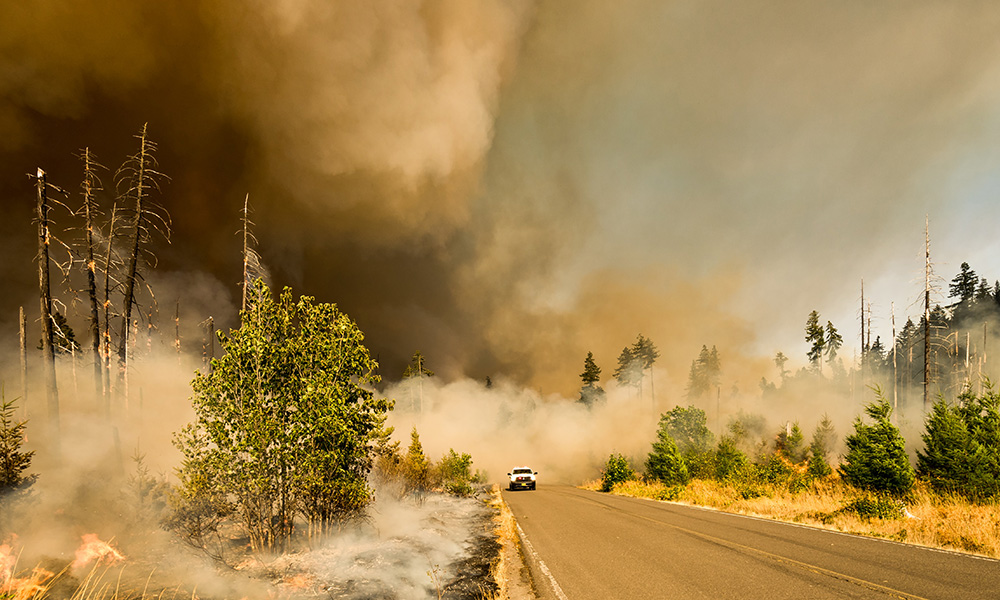
Extreme weather events such as heatwaves, hurricanes, floods, wildfires, and severe storms are becoming increasingly common as global climate patterns shift. While their economic and environmental consequences often command public attention, their profound and growing impacts on human health are equally critical. These events pose immediate dangers as well as long-term health risks that affect individuals, communities, and entire health systems.
1. Direct Physical Health Impacts
The most immediate consequences of extreme weather are physical injuries and fatalities.
-
Heatwaves can lead to heat exhaustion, heatstroke, dehydration, and cardiovascular strain. Vulnerable groups such as older adults, young children, outdoor workers, and people with chronic illnesses face heightened risks.
-
Storms and hurricanes can cause trauma from flying debris, building collapses, or drowning.
-
Floods often result in injuries from swift water, contamination, and unsafe structures.
These events also overload emergency services, making it more difficult for victims to receive timely care.
2. Spread of Infectious Diseases
Extreme weather can create conditions that support the spread of infectious diseases.
-
Flooding can contaminate drinking water with pathogens, leading to outbreaks of gastrointestinal diseases.
-
Standing water after storms provides breeding grounds for mosquitoes, increasing transmission of diseases such as dengue, malaria, and West Nile virus.
-
Warmer temperatures can expand the habitats of vectors, bringing them into new regions previously unaffected.
3. Mental Health Consequences
People may experience:
-
Post-traumatic stress disorder (PTSD)
-
Anxiety and depression
-
Grief from displacement, property loss, or loss of loved ones
-
Chronic stress related to economic instability and rebuilding efforts
These impacts may persist for years, particularly in communities with limited access to mental health services.
4. Respiratory and Cardiovascular Issues
Wildfires and severe pollution events release large amounts of particulate matter into the air, posing major threats to respiratory health.
Exposure to wildfire smoke or poor air quality can lead to:
-
Asthma attacks
-
Chronic obstructive pulmonary disease (COPD) flare-ups
-
Heart attacks and strokes
Even short-term exposure can be harmful, especially for children, the elderly, pregnant individuals, and people with pre-existing conditions.
5. Disruption of Health Systems and Essential Services
Extreme weather can disrupt healthcare infrastructure by damaging hospitals, cutting off power, or making transportation unsafe. As a result:
-
Patients may lose access to medications, dialysis, or medical equipment.
-
Emergency response efforts may be delayed.
-
Vaccination programs and routine care can be interrupted.
These disruptions can worsen chronic diseases and increase mortality rates long after the event has passed.
6. Food and Water Insecurity
Weather extremes influence food production, water quality, and supply chains.
-
Heatwaves and droughts reduce crop yields, creating nutritional deficiencies and economic strain.
-
Flooding contaminates water sources, increasing the risk of waterborne illness.
-
Ocean warming and storms affect fisheries, altering the availability and safety of food.
These factors particularly impact low-income communities, where access to safe water and nutritious food is already fragile.
7. Vulnerable Populations Face the Greatest Risks
Not everyone is affected equally.
Communities that face the greatest health threats include:
-
Low-income populations
-
Indigenous communities
-
Older adults and children
-
People with disabilities or chronic illnesses
-
Those living in high-risk geographic areas
Structural inequalities often compound the health consequences of extreme weather for these groups. Extreme weather events are not only environmental challenges—they are major public health threats. Their impacts can be immediate and devastating, or subtle and long-term. As climate change continues to influence weather patterns, investing in public health preparedness, resilient infrastructure, early warning systems, and equitable policies will be essential to protect communities worldwide. Recognizing the deep connection between climate and health is a crucial step toward a safer, more resilient future.