

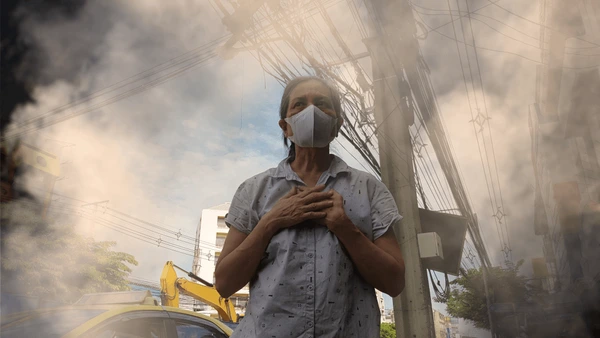
Asthma is becoming increasingly prevalent in major urban centers, and mounting evidence points to pollution as a central driver of this public health concern. As cities grow denser and industrial activity intensifies, millions of residents are exposed daily to harmful airborne pollutants ranging from vehicle emissions and industrial smoke to construction dust and chemical particulates. These pollutants irritate the respiratory system, inflame the airways, and significantly raise the risk of asthma onset and flare-ups.
One of the most concerning aspects is the impact on vulnerable populations. Children, whose lungs are still developing, are particularly at risk. Studies have shown that prolonged exposure to high levels of nitrogen dioxide and fine particulate matter can impair lung growth and increase the likelihood of developing chronic respiratory diseases. Elderly individuals and those with pre-existing health conditions face similar challenges, often experiencing heightened symptoms and more frequent hospital visits.
Urban design also plays a crucial role. Many low-income neighborhoods are located near highways, factories, or heavy traffic corridors, exposing residents to pollution levels far above recommended safety limits. This environmental inequality means that marginalized communities are disproportionately affected by asthma-related complications.
Climate change further compounds the problem. Rising temperatures can intensify ground-level ozone formation, a pollutant known to trigger asthma attacks. Wildfire smoke which increasingly reaches cities far from the original fire zones adds another layer of airborne irritants, worsening respiratory conditions for millions.
Addressing the rise of asthma in polluted cities requires coordinated action. Investments in cleaner public transportation, transitioning to renewable energy sources, enforcing stricter emissions regulations, and increasing green spaces can all help reduce pollution levels. Public health initiatives that educate communities about air quality and provide resources for early asthma detection are equally important.
While progress is being made in many regions, the issue remains urgent. The growing number of individuals struggling to breathe in polluted urban environments is a powerful reminder that clean air is not just an environmental concern it is a fundamental human health necessity. Ensuring healthier cities will require sustained commitment, thoughtful policies, and a collective effort to safeguard the air we all depend on.