
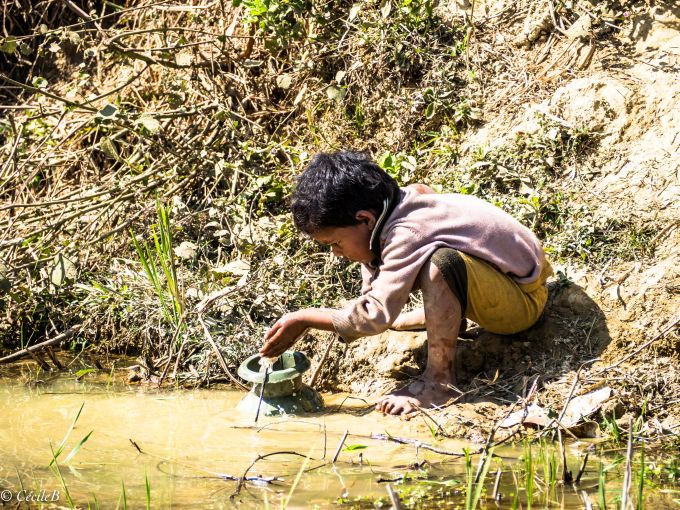
Water is essential for life, but it can also serve as a medium for transmitting disease. Waterborne diseases caused by pathogenic microorganisms such as bacteria, viruses, and parasites remain a major public health concern worldwide. In recent years, the relationship between climate change and the spread of these diseases has become increasingly evident. As the planet warms and weather patterns shift, the conditions that allow waterborne pathogens to thrive are expanding, threatening communities across the globe.
How Climate Change Influences Waterborne Diseases
Climate change affects waterborne diseases in multiple, interconnected ways. Rising temperatures, changes in rainfall patterns, and extreme weather events all influence the quality and availability of water resources.
-
Rising Temperatures
Higher temperatures can accelerate the growth and reproduction of microorganisms such as Vibrio cholerae, the bacterium responsible for cholera. Warmer water also encourages the growth of harmful algal blooms that produce toxins and degrade water quality. These conditions increase the risk of exposure to contaminated drinking water and seafood. -
Altered Rainfall and Flooding
Intense rainfall and flooding events can overwhelm sanitation systems, leading to the contamination of drinking water supplies with human and animal waste. Pathogens such as E. coli, Giardia, and Cryptosporidium can easily spread in these conditions. Conversely, droughts reduce the availability of clean water, concentrating pollutants and increasing reliance on unsafe water sources. -
Rising Sea Levels and Coastal Impacts
Coastal areas are particularly vulnerable as rising sea levels lead to saltwater intrusion into freshwater systems and the contamination of wells. This not only reduces access to potable water but also provides breeding grounds for waterborne pathogens that thrive in brackish environments.
Public Health Implications
The health impacts of climate-related changes in waterborne disease patterns are far-reaching. Outbreaks can lead to severe illness, long-term disability, and death, particularly among children, the elderly, and those with weakened immune systems. Developing nations with limited access to clean water, sanitation, and healthcare face the greatest risks. Economic consequences are also significant, including increased healthcare costs, reduced workforce productivity, and disruptions to tourism and agriculture.
Mitigation and Adaptation Strategies
Addressing the link between climate change and waterborne diseases requires both preventive and adaptive measures. Key strategies include:
-
Improving water infrastructure to ensure safe drinking water and effective wastewater management.
-
Enhancing disease surveillance systems to detect outbreaks early and prevent their spread.
-
Promoting community awareness on hygiene and sanitation practices.
-
Integrating climate resilience into public health and environmental policies.
-
Investing in research to better understand the dynamics between climate variables and disease transmission.
The connection between climate change and waterborne diseases underscores the urgent need for global cooperation in addressing both environmental and health challenges. By strengthening water systems, investing in climate adaptation, and reducing greenhouse gas emissions, societies can protect vulnerable populations and safeguard public health in an increasingly uncertain climate future.