

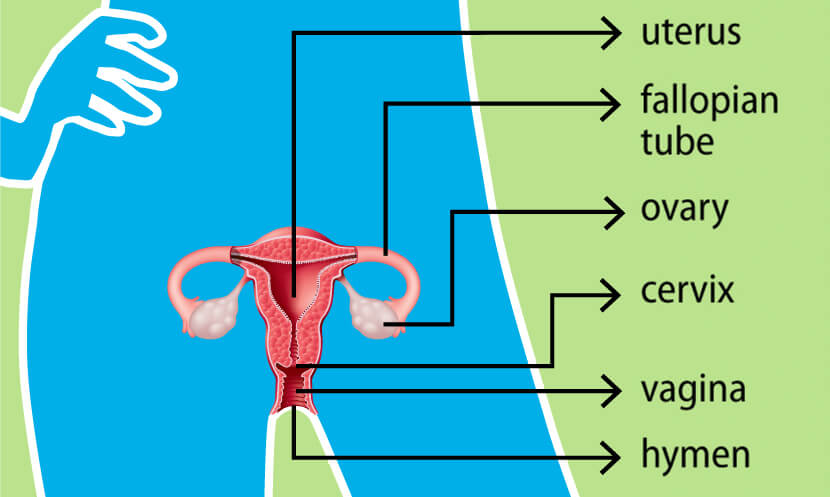
Fertility challenges affect many women worldwide, and modern medicine now offers a range of procedures that can support conception. Understanding these options empowers women to make informed decisions and seek appropriate care early.
When Are Fertility Procedures Considered?
Fertility procedures are usually considered when a woman has difficulty conceiving after 12 months of regular, unprotected intercourse (or 6 months for women over 35). They may also be recommended for known medical conditions such as blocked fallopian tubes, ovulation disorders, endometriosis, uterine abnormalities, or unexplained infertility.
- Ovulation Induction
Ovulation induction is often the first step in fertility treatment. It involves the use of medications to stimulate the ovaries to release eggs. This procedure is commonly used for women who do not ovulate regularly, such as those with polycystic ovary syndrome (PCOS). Ovulation induction is usually monitored with ultrasound scans and hormone tests to reduce risks and improve success rates.

- Intrauterine Insemination (IUI)
Intrauterine insemination is a procedure where specially prepared sperm is placed directly into the uterus around the time of ovulation. This increases the chances of sperm reaching the egg. IUI may be recommended for mild male-factor infertility, unexplained infertility, or cervical issues. It is a relatively simple and less invasive procedure compared to advanced treatments.

- In Vitro Fertilization (IVF)
In vitro fertilization is one of the most well-known fertility procedures. Eggs are retrieved from the ovaries and fertilized with sperm in a laboratory. The resulting embryo is then transferred into the uterus. IVF may be recommended for women with blocked fallopian tubes, severe endometriosis, low egg reserve, or after other treatments have failed.

- Intracytoplasmic Sperm Injection (ICSI)
ICSI is a specialized form of IVF in which a single sperm is injected directly into an egg to aid fertilization. It is often used in cases of severe male-factor infertility or when fertilization did not occur with standard IVF. The embryo transfer process is similar to IVF.

- Fertility Preservation
Fertility preservation allows women to protect their reproductive potential for the future. This may involve freezing eggs (oocyte cryopreservation) or embryos before medical treatments such as chemotherapy or due to personal or career reasons. Preserved eggs or embryos can be used later through IVF.

- Surgical Fertility Procedures
Some women may benefit from surgery to correct fertility-related problems. These include procedures to remove uterine fibroids, correct uterine abnormalities, treat endometriosis, or open blocked fallopian tubes. Surgery may improve the chances of natural conception or enhance the success of assisted reproductive techniques.

- Emotional and Medical Support
Fertility treatment can be physically and emotionally demanding. Counseling, support groups, and clear communication with healthcare providers are important parts of the journey. Each woman’s situation is unique, and treatment plans should be personalized.

Final Thoughts
Fertility procedures offer hope to many women, but they are not one-size-fits-all solutions. Early evaluation, accurate diagnosis, and professional guidance are essential. With the right support and information, women can navigate fertility options confidently and make choices that align with their health and personal goals.